
Best Shared Hosting Providers Worldwide 2026 Comparison
Starting a website has never been easier, yet the first hurdle remains one of the most confusing: choosing where to host it. With thousands of options promising 99.9% uptime and lightning-fast speeds, distinguishing marketing fluff from actual performance is a challenge.
Shared hosting continues to be the most popular entry point for new websites. It offers an affordable way to get online without the technical headaches of managing a private server. But the landscape has shifted significantly by 2026. Providers that were industry leaders five years ago may have slipped, while new contenders have risen with better technology and customer support.
This guide cuts through the noise. We have analyzed the top players in the market to bring you a comprehensive comparison of the best shared hosting providers worldwide for 2026. Whether you are launching a personal blog, a small business site, or a portfolio, this breakdown will help you find the right home for your digital presence.
What Is Shared Hosting and Why It’s Still Popular in 2026
Before diving into the reviews, it is helpful to understand exactly what you are buying.
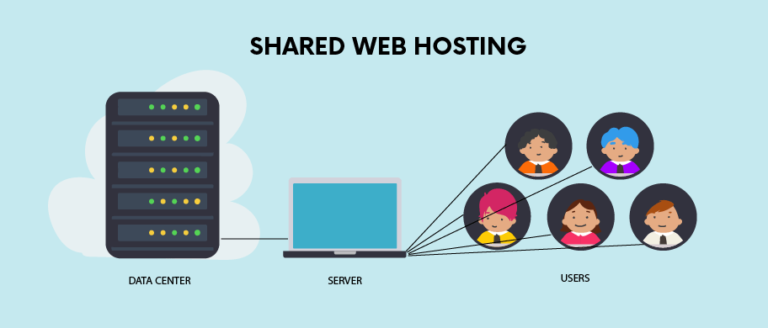
Quick refresher for beginners: Think of shared hosting like renting an apartment in a large building. You have your own private space (your website), but you share resources like water and electricity (server CPU, RAM, and bandwidth) with your neighbors. This contrasts with VPS or dedicated hosting, which is more like owning a detached house where you are responsible for all maintenance and utilities.
Why shared hosting remains a top choice: Even with the rise of cloud computing, shared hosting dominates the market for one simple reason: cost-efficiency. By stacking multiple clients on a single server, providers can offer plans for the price of a cup of coffee. Furthermore, the technology has improved. In 2026, modern shared servers are far more robust, often using containerization technology to ensure that a “noisy neighbor” doesn’t crash your site.
Who should use shared hosting today:
- Bloggers: Perfect for content sites that are just building an audience.
- Small Businesses: Ideal for informational sites (restaurants, local services) with moderate traffic.
- Startups: A low-risk way to test an MVP (Minimum Viable Product).
- Students & Portfolios: The most affordable way to showcase work online.
How We Compared the Best Shared Hosting Providers
To ensure this comparison is fair and useful, we evaluated each provider based on specific criteria that matter most to website owners in 2026.
- Performance and uptime: A cheap host is useless if your site is offline. We looked for providers with a proven track record of staying above 99.9% uptime.
- Speed and server locations: Speed is a ranking factor for Google. We prioritized hosts that offer modern server architecture (like NVMe storage) and data centers across multiple continents.
- Pricing and renewal costs: Many hosts lure you in with a low introductory rate and then triple the price upon renewal. We highlight the transparent long-term costs.
- Ease of use: We assessed the quality of the control panel. Is it intuitive for a beginner to install WordPress or set up an email account?
- Customer support: When things break, you need help fast. We looked for 24/7 support with real humans, not just chatbots.
- Security features: Free SSL certificates should be standard. We also looked for automated backups and malware scanning.
- Global availability: Since this is a worldwide comparison, we favored hosts that accept multiple currencies and offer localized support.
Best Shared Hosting Providers Worldwide (2026)
Here is our breakdown of the top performers this year.
Provider #1 – Hostinger: Best Overall Shared Hosting
Hostinger continues to dominate the shared hosting market in 2026 by striking an incredible balance between performance and price. They have moved beyond being just a “budget” option to becoming a legitimate powerhouse for speed.
Key features:
- Custom-built hPanel (easier than cPanel).
- Data centers in USA, Europe, Asia, and South America.
- LiteSpeed Web Server technology for faster loading.
- Free weekly backups on most plans.
Pros and cons:
- Pros: Exceptionally fast for the price, intuitive interface, great global coverage.
- Cons: No phone support (chat only), daily backups are a paid add-on for entry-level plans.
Best for: Everyone from beginners to intermediate users who want premium speed without the premium price tag.
Starting price: Roughly $2.99/month (introductory).
Provider #2 – Bluehost: Best Shared Hosting for Beginners
Bluehost has been a household name for over a decade, and for good reason. They have refined their onboarding process to be the smoothest in the industry. If you have never built a website before, Bluehost holds your hand through the entire setup.
Why it’s beginner-friendly: When you sign up, a wizard guides you through naming your site, selecting a theme, and installing WordPress. You don’t need to know what “DNS” or “FTP” means to get a site live here.
Control panel and setup: They use a customized version of cPanel that is clean and easy to navigate. The integration with WordPress is seamless.
Support quality: They offer 24/7 phone and chat support. While wait times can vary, the agents are generally helpful with basic setup questions.
Provider #3 – DreamHost: Best Budget Shared Hosting
For those watching every penny, DreamHost offers one of the most transparent pricing models in the industry. They are known for their “no-nonsense” approach.
Cheapest plans explained: Unlike competitors who require you to sign up for 3 years to get the best deal, DreamHost offers very competitive monthly-to-monthly plans.
What you get (and don’t get): You get unlimited traffic and a free domain name. However, you don’t get cPanel (they use a custom panel), and phone support is a callback service rather than a direct line.
Ideal use cases: Students, non-profits, and bootstrapped side hustles where cash flow is tight.
Provider #4 – SiteGround: Best Shared Hosting for WordPress
If you are serious about WordPress, SiteGround is the gold standard. They are officially recommended by WordPress.org and have built their entire infrastructure around the CMS.
WordPress optimization: SiteGround handles updates for you automatically. They also have a proprietary caching plugin (SG Optimizer) that makes WordPress sites fly.
Performance and updates: Their servers are built on Google Cloud Platform, ensuring high reliability. They are proactive about security patching, often fixing vulnerabilities before other hosts.
One-click installs: Setting up a new site takes seconds, and they offer a free migrator plugin if you are moving from another host.
Provider #5 – A2 Hosting: Best Shared Hosting for Global Websites
A2 Hosting markets itself on speed, specifically their “Turbo” servers. For websites targeting a global audience, A2 is a strong contender due to their hardware choices.
Worldwide server locations: You can choose your server location during checkout (Michigan, Arizona, Amsterdam, or Singapore), allowing you to place your site closer to your visitors.
CDN and speed benefits: They integrate tightly with Cloudflare CDN, helping distribute your content globally. Their Turbo plans use NVMe drives, which are significantly faster than traditional SSDs.
Multilingual support: Their support team is vast and accustomed to dealing with international clients across different time zones.
Shared Hosting Comparison Table (2026)
| Provider | Starting Price (Approx) | Storage | Bandwidth | Free Domain | Free SSL | Support | Best For |
|---|---|---|---|---|---|---|---|
| Hostinger | $2.99/mo | 100GB SSD | Unlimited | Yes | Yes | 24/7 Chat | Overall Value |
| Bluehost | $2.95/mo | 10GB SSD | Unmetered | Yes (1st yr) | Yes | 24/7 Phone/Chat | Beginners |
| DreamHost | $2.59/mo | Unlimited | Unlimited | Yes (1st yr) | Yes | Chat/Email | Budget |
| SiteGround | $3.99/mo | 10GB SSD | Unmetered | No | Yes | 24/7 Priority | WordPress |
| A2 Hosting | $2.99/mo | 100GB SSD | Unlimited | No | Yes | 24/7 Phone/Chat | Speed |
Pros and Cons of Using Shared Hosting
Before you commit, weigh the advantages against the limitations.
Pros:
- Affordable pricing: It is the cheapest way to get online, period.
- Easy to manage: Providers handle all the server maintenance, security patches, and hardware upgrades.
- No technical maintenance: You don’t need to learn Linux commands or server administration.
Cons:
- Limited resources: If your site goes viral, a shared server might crash or throttle your traffic.
- Performance depends on others: While rare now, a spammy site on the same server could theoretically impact your IP reputation.
- Not ideal for large traffic: Once you hit 50,000+ visitors a month, you will likely need to upgrade.
How to Choose the Best Shared Hosting Provider for Your Needs
Don’t just pick the #1 rated host blindly. Your specific needs dictate the best choice.
Based on traffic level: If you expect fewer than 10,000 visitors a month, any host on this list will work. If you expect rapid growth, choose a host like SiteGround that makes upgrading to Cloud hosting easy.
Based on website type:
- WordPress site? Go with SiteGround or Bluehost.
- Custom HTML/PHP site? Hostinger or A2 Hosting offer great flexibility.
Based on location: Always pick a host with servers near your audience. If your readers are in Europe, choose a host with a data center in London, Amsterdam, or Frankfurt.
Based on budget: If you can pay upfront for 4 years, Hostinger offers the best savings. If you need to pay monthly, DreamHost is the safest bet.
Best Shared Hosting by Use Case
Best for blogs: Bluehost. Their integration with WordPress makes publishing content incredibly simple.
Best for small businesses: SiteGround. The extra reliability and support are worth the slightly higher cost when your business reputation is on the line.
Best for portfolios: Hostinger. It’s cheap, looks professional, and loads images fast.
Best for first-time website owners: DreamHost. The simplified panel and lack of upsells make for a stress-free learning curve.
Is Shared Hosting Good for SEO in 2026?
A common myth is that shared hosting kills your Google rankings. This is largely untrue, provided you choose a quality provider.
Speed and uptime importance: Google Core Web Vitals are crucial. If your shared host is slow (taking 3+ seconds to load), your rankings will suffer. This is why we recommend performance-focused shared hosts like Hostinger or A2.
Hosting quality vs rankings: Google doesn’t penalize you just for being on a shared IP address. They penalize you for downtime. If your host is reliable, your SEO potential is just as high as a dedicated server.
When shared hosting is enough for SEO: For 95% of local businesses and blogs, shared hosting provides sufficient speed to rank on page one, provided the website content itself is optimized.
Frequently Asked Questions
Which shared hosting is best worldwide?
Hostinger currently holds the title for the best global option due to its extensive network of data centers and multilingual support.
Can I upgrade from shared hosting later?
Absolutely. All reputable providers allow you to upgrade to a VPS or Cloud plan seamlessly as your traffic grows.
Is shared hosting secure?
Yes, but you are responsible for your site’s security too. Hosts provide the firewall, but you must keep your passwords strong and your software updated.
How long should I stay on shared hosting?
Stay until your site becomes slow due to high traffic or you need custom software configurations that shared plans don’t allow.
Final Verdict: Best Shared Hosting Providers Worldwide (2026)
Choosing a host is the foundation of your digital success. In 2026, the gap between “budget” and “premium” has narrowed, giving consumers better options than ever before.
Short summary: For raw performance per dollar, Hostinger is the winner. For premium support and WordPress power, SiteGround takes the lead. For absolute beginners, Bluehost remains the most user-friendly entry point.
Recommendation for beginners: Don’t overthink it. Pick a plan that fits your budget today. You can always migrate later.
Advice on upgrading as traffic grows: Monitor your analytics. When you consistently hit 30,000 monthly visitors, or if your dashboard starts showing “resource limit reached” errors, it is time to leave shared hosting behind and move to a VPS.