
Hosting Trends in 2026: What’s Changing
The digital landscape never stands still, and nowhere is this more evident than in the infrastructure that powers the internet itself. Web hosting has evolved from simple server space rental into a complex ecosystem of automated solutions, edge networks, and sustainable practices. For business owners and developers, staying ahead of these shifts isn’t just about bragging rights—it’s about ensuring your website remains fast, secure, and capable of handling future traffic demands.
How technology is reshaping hosting infrastructure is a critical conversation for 2026. As artificial intelligence becomes deeply embedded in server management and cybersecurity threats grow more sophisticated, the hosting provider you choose today could determine your business’s resilience tomorrow. The old metrics of storage space and bandwidth are being replaced by new standards: latency reduction via edge computing, carbon footprints, and AI-driven optimization.
In this guide, we will explore the definitive web hosting trends for 2026. You will learn how the market is shifting towards decentralized cloud networks, why green energy is no longer optional for data centers, and how AI is rewriting the rules of uptime and security. Whether you are running a high-traffic e-commerce store or a growing SaaS platform, understanding the future of web hosting is the first step toward future-proofing your online presence.
The State of Web Hosting in 2026
By 2026, the global hosting market has matured significantly. We are seeing a distinct move away from “one-size-fits-all” solutions toward highly specialized, performance-driven environments. The demand for speed and reliability has reached an all-time high, driven by user expectations for instant page loads and search engines that punish sluggish performance.
Users no longer tolerate downtime or latency. Consequently, hosting providers are investing heavily in infrastructure that supports high availability and rapid data delivery. This market evolution means that premium features once reserved for enterprise clients—like advanced caching layers and automated scaling—are trickling down to standard hosting packages.
Trend #1 – AI-Powered Hosting and Automation
One of the most transformative web hosting trends in 2026 is the integration of artificial intelligence into server management. AI hosting is no longer a buzzword; it is a functional reality that improves stability and efficiency.
Smart Server Optimization
Traditional server management often relied on reactive measures—fixing a server after it crashed or upgrading resources after a traffic spike caused a slowdown. AI changes this dynamic to a proactive one. Machine learning algorithms now analyze traffic patterns in real-time, predicting surges before they happen and allocating resources accordingly. This ensures that websites remain fast during flash sales or viral moments without manual intervention.
Automated Scaling and Security
Automated web hosting systems can self-heal. If a process hangs or a database query becomes inefficient, AI agents can identify and rectify the issue instantly. Furthermore, automated security protocols can detect anomalous behavior indicative of a breach and isolate affected areas before the threat spreads. This level of automation frees up IT teams to focus on development rather than firefighting server issues.
Trend #2 – Cloud Hosting Dominance and Edge Computing
The shift toward the cloud continues to accelerate. Cloud hosting trends in 2026 point to a dominance of decentralized architectures over traditional single-server setups. The cloud offers unparalleled scalability, allowing businesses to pay only for the resources they use while maintaining the ability to scale up instantly.
Edge Data Centers and Global Performance
However, the cloud is evolving. We are moving toward edge computing hosting, where data is processed closer to the user rather than in a centralized data center. By caching content and running computations on “edge” nodes located in cities around the world, hosting providers can drastically reduce latency.
For a user in Tokyo accessing a site hosted in New York, the physical distance traditionally caused a delay. With edge computing, that user interacts with a node in Tokyo, resulting in near-instant load times. This architecture is becoming standard for content-heavy websites and applications requiring real-time data processing.
Trend #3 – Performance Optimization & Core Web Vitals Focus
Google’s Core Web Vitals have cemented speed and user experience as critical SEO ranking factors. In response, hosting providers are prioritizing fast web hosting configurations designed specifically to boost these metrics.
Speed Improvements
Hosting platforms in 2026 come pre-configured with technologies that accelerate content delivery. We are seeing widespread adoption of:
- Server-side caching: Reduces the load on the database by serving static versions of pages.
- NVMe SSD Storage: Offers significantly faster read/write speeds compared to traditional SATA SSDs.
- HTTP/3 Support: The latest internet protocol that improves security and speed, particularly on mobile networks.
SEO Impact
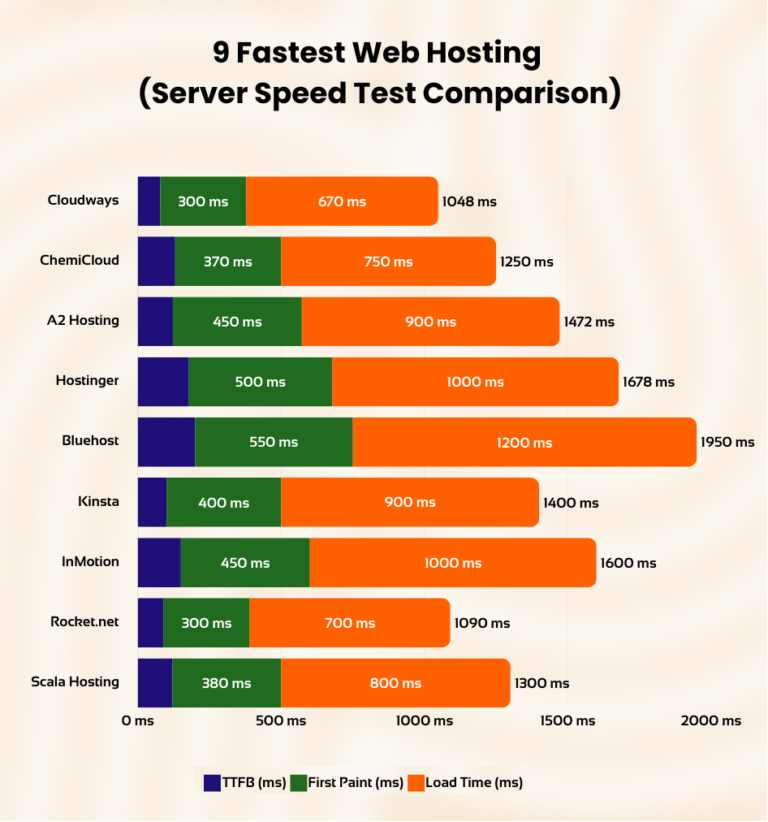
The correlation between hosting quality and SEO is undeniable. Core Web Vitals hosting focuses on minimizing Time to First Byte (TTFB) and ensuring stable visual loading (Cumulative Layout Shift). Websites that load instantly rank higher, keep visitors longer, and convert better. Choosing a host that ignores these performance metrics is a direct risk to your organic search visibility.
Trend #4 – Cybersecurity and Zero Trust Hosting
As cyber threats evolve, so do the defenses. Secure web hosting in 2026 operates on a “Zero Trust” model. This security framework assumes that no user or device—inside or outside the network—should be trusted by default.
Advanced Protection and DDoS Defense
Modern hosting environments are integrating advanced firewalls and intrusion detection systems directly into the server stack. Website security hosting now includes automated vulnerability scanning that checks CMS installations (like WordPress) for outdated plugins or weak passwords.
DDoS (Distributed Denial of Service) attacks remain a significant threat. Hosting providers are mitigating this by layering sophisticated traffic filtering systems that can distinguish between legitimate human visitors and malicious botnets, absorbing attacks without impacting site performance.
Trend #5 – Green Hosting and Sustainability
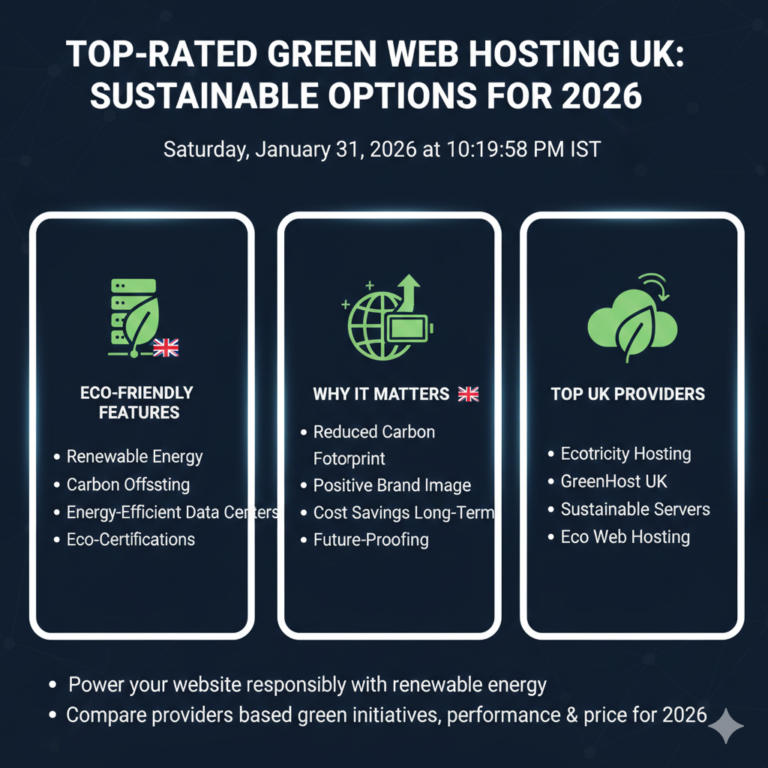
Environmental responsibility has moved from a marketing perk to a core operational requirement. The internet consumes a massive amount of electricity, and green web hosting addresses this by minimizing the carbon footprint of data centers.
Renewable Energy Data Centers
Leading providers are transitioning to 100% renewable energy sources, such as wind and solar, to power their facilities. Additionally, advancements in cooling technology—like liquid cooling systems—are reducing the energy required to keep servers from overheating.
Eco-Friendly Hosting
Eco friendly hosting isn’t just about energy sourcing; it’s about hardware efficiency. Providers are extending the lifecycle of their hardware and recycling components responsibly. For environmentally conscious brands, choosing a green host is an essential part of their corporate social responsibility strategy, appealing to a growing demographic of eco-aware consumers.
Trend #6 – Managed Hosting Growth for Businesses
For many small to mid-sized businesses, the technical complexity of modern hosting is a barrier. This has fueled the explosion of managed hosting services.
Outsourced Management
Managed hosting takes the technical burden off the business owner. The provider handles updates, patching, backups, and security monitoring. This allows business owners to focus on their product and marketing rather than server maintenance.
Cost Efficiency
While best managed hosting plans typically carry a higher monthly fee than unmanaged options, the cost efficiency becomes clear when you factor in the savings on IT personnel and the avoidance of costly downtime. In 2026, managed services for WordPress, WooCommerce, and custom applications are becoming the default choice for serious businesses.
Trend #7 – Developer-Friendly Hosting and Containers
Developers need flexibility and consistency across different environments. Container hosting technologies like Docker and Kubernetes have revolutionized how applications are deployed and managed.
Kubernetes and Docker
Containers package an application with all its dependencies, ensuring it runs exactly the same way on a developer’s laptop as it does on a production server. Hosting providers are offering native support for these technologies, allowing for seamless deployment and scaling.
CI/CD Pipelines
Developer hosting platforms in 2026 integrate directly with Continuous Integration/Continuous Deployment (CI/CD) pipelines. This means that when a developer pushes code to a repository like GitHub, the hosting platform automatically tests and deploys the update to the live site, streamlining the development workflow and reducing the risk of human error during updates.
Trend #8 – Affordable Hosting with Premium Features
The intense competition in the hosting market benefits the consumer. Cheap web hosting no longer implies poor quality. To capture market share, providers are bundling premium features into entry-level plans.
Price Competition and Value Bundles
The best hosting deals 2026 often include free SSL certificates, automated daily backups, and Content Delivery Network (CDN) access—features that used to be paid add-ons. This democratization of professional-grade tools allows startups and hobbyists to launch secure, fast websites without a massive upfront investment.
How These Hosting Trends Affect Website Owners
These shifts in the hosting landscape have tangible impacts on your daily operations and bottom line.
- Performance Impact: Your choice of host directly dictates your site’s speed. Adopting edge computing and AI optimization ensures you meet modern user expectations.
- Cost Implications: While basic hosting becomes cheaper, specialized managed services may increase costs. However, the ROI from improved uptime and security usually justifies the expense.
- Business Scalability: Cloud and container technologies mean your infrastructure can grow with you. You no longer need to migrate servers just because your traffic doubled overnight.
How to Choose the Best Hosting in 2026
With so many options, selecting the best web hosting 2026 requires a strategic approach.
Feature Checklist
When evaluating providers, look beyond the price tag.
- Speed: Do they offer NVMe storage and edge caching?
- Security: Is there built-in DDoS protection and malware scanning?
- Support: Do they offer 24/7 support with actual technicians, not just chatbots?
- Scalability: Can you upgrade CPU and RAM instantly?
Future-Proofing
Ask prospective hosts about their roadmap. Are they investing in green energy? Do they support the latest PHP versions and HTTP/3? How to choose web hosting is about finding a partner that is evolving, not just maintaining the status quo.
FAQ – Hosting Trends in 2026
What are the biggest web hosting trends in 2026?
The biggest trends include AI-driven server optimization, the rise of edge computing for faster global delivery, a strong focus on green/sustainable hosting, and the widespread adoption of “Zero Trust” cybersecurity measures.
Is cloud hosting better than shared hosting in 2026?
For most businesses, yes. Cloud hosting trends show it offers superior scalability, reliability, and speed compared to traditional shared hosting. Shared hosting remains a viable option for very small, low-traffic personal blogs, but cloud is the standard for growth.
How does AI improve web hosting performance?
AI hosting improves performance by predicting traffic spikes and allocating resources proactively. It also automates security responses and optimizes server configurations in real-time to prevent bottlenecks.
What is green hosting and is it worth it?
Green web hosting refers to providers that use renewable energy to power their data centers and implement eco-friendly practices. It is worth it for the environmental impact and can also enhance your brand reputation among eco-conscious customers.
Which hosting is best for small businesses in 2026?
The best hosting providers 2026 for small businesses are typically managed cloud or managed WordPress hosts. These offer a balance of performance, security, and ease of use, allowing owners to focus on business rather than IT.
How can hosting improve SEO and website speed?
Hosting impacts SEO through Core Web Vitals. Fast web hosting with low latency (TTFB) improves page load speed, a direct ranking factor. Reliable hosting also prevents downtime, which can negatively affect search rankings.
Prepare Your Website for the Future
The hosting industry in 2026 is defined by intelligence, speed, and responsibility. From AI-powered hosting that self-heals to green web hosting that protects the planet, the options available today are more powerful than ever.
Don’t let outdated infrastructure hold your business back. The digital marketplace rewards speed and reliability, and your hosting provider is the foundation of both. Take the time to audit your current setup against these trends. If your host isn’t innovating, it might be time to move.
Ready to future-proof your website? Evaluate your current hosting performance today and upgrade to a solution that guarantees speed, security, and scalability for 2026 and beyond.