
Best Free Cloud Hosting Platforms in 2026
Launching a website or an app used to mean renting expensive server space, but the cloud has changed the game completely. Today, you can deploy a personal portfolio, a test application, or even a small business site without spending a dime.
Cloud hosting offers flexibility and scalability that traditional shared hosting often lacks. For students, developers, and hobbyists, the “free tier” models provided by major platforms act as the perfect sandbox. These tiers aren’t just trials; many are “always free” plans designed to let you build and maintain small projects indefinitely.
However, navigating the fine print can be tricky. “Free” often comes with caveats—sleeping servers, limited bandwidth, or lack of custom domain support. This guide breaks down the best free cloud hosting platforms available in 2026, helping you choose the right service so you can focus on building rather than budgeting.
What Is Free Cloud Hosting?
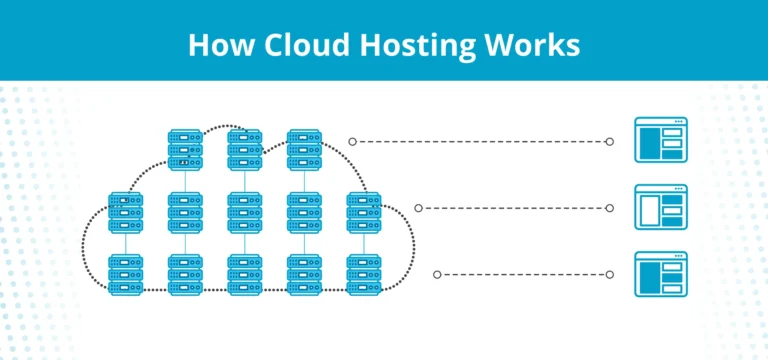
Free cloud hosting refers to services that provide server resources—like computing power, storage, and networking—at no cost. Unlike traditional web hosting, which puts your site on a physical server alongside others, cloud hosting utilizes a network of virtual and physical servers to ensure better flexibility.
Providers offer these free tiers for a few reasons. Primarily, it’s an entry point. They want you to learn their ecosystem, get comfortable with their tools, and eventually upgrade as your project grows.
What to Expect (and What Not To)
While the price tag is attractive, you need to manage your expectations. Free tiers are designed for low-resource projects. You will likely encounter:
- Bandwidth Caps: Limits on how much data can be transferred to and from your site.
- Storage Limits: Restrictions on the total size of your files and databases.
- “Sleeping” Apps: Some platforms spin down your application after periods of inactivity to save resources, causing a delay when the next visitor arrives (cold starts).
- Subdomains: You might be stuck with
yourproject.provider.comunless you pay or configure complex DNS settings.
Top Free Cloud Hosting Platforms in 2026
We’ve analyzed the current landscape to bring you the top contenders. Whether you are hosting a simple HTML page or a complex full-stack application, there is a platform here for you.
Provider 1 – Best Overall Free Cloud Hosting: Vercel
Vercel has cemented its reputation as the go-to platform for frontend developers. Built by the creators of Next.js, it offers an incredibly smooth developer experience (DX) and generous free limits.
Core features
Vercel integrates directly with your Git repositories (GitHub, GitLab, Bitbucket). Every time you push code, Vercel automatically builds and deploys your site. It also provides a global Edge Network, ensuring your content is served quickly regardless of where your visitors are located.
Free tier limits
The Hobby plan is robust. You get unlimited websites and up to 100GB of bandwidth per month, which is plenty for most personal projects. However, serverless function execution is limited, and you cannot use the free tier for commercial purposes.
Ideal use cases
This is the perfect home for personal portfolios, blogs, and frontend-heavy applications using frameworks like React, Vue, or Svelte.
Provider 2 – Best for Static Sites: Netlify
If you are building a static site—think plain HTML/CSS, or site generators like Hugo and Jekyll—Netlify is hard to beat. It simplifies the deployment process to a simple “drag and drop” if you don’t want to use Git.
Static hosting features
Netlify specializes in Jamstack architecture. It offers features like instant form handling (so you don’t need a backend for contact forms), identity management for user logins, and split testing.
Deployment workflows
Like Vercel, Netlify shines with its continuous deployment. Connect your repository, and your site updates automatically. They also offer “Deploy Previews,” which creates a unique URL for every pull request, allowing you to view changes before they go live.
Provider 3 – Best for Developers & APIs: Oracle Cloud
Oracle Cloud Infrastructure (OCI) is the dark horse of free hosting. Their “Always Free” tier is shockingly generous compared to competitors like AWS or Google Cloud, which often limit free usage to 12 months.
Developer tools and free access
Oracle provides two AMD Compute VMs and up to 4 instances of Arm Ampere A1 Compute with 24GB of RAM. This is actual server power, not just static hosting. You also get access to Autonomous Databases (data warehousing and transaction processing).
API integrations
Because you have access to virtual machines (VMs), you have full control. You can run Docker containers, host custom APIs, or set up a Minecraft server. It requires more technical know-how than Netlify, but the freedom is unparalleled.
Provider 4 – Best for Apps & Dynamic Sites: Render
Heroku used to be the king of free dynamic hosting, but after they removed their free tier, Render stepped up to fill the void. It is excellent for full-stack applications that need a backend database.
Serverless and backend support
Render supports Node.js, Python, Go, Ruby, and more natively. You can deploy web services, static sites, and cron jobs. Crucially, they offer a free PostgreSQL database and Redis instance, which are essential for dynamic apps.
Limits to know
The free web services on Render spin down after 15 minutes of inactivity. This means the first request after a break might take 30 seconds or more to load. Additionally, the free database expires after 90 days, requiring you to upgrade or migrate your data.
Provider 5 – Best Free for Learning & Testing: GitHub Pages
For absolute beginners or developers who want to keep everything within the GitHub ecosystem, GitHub Pages is the simplest solution.
Sandbox environments
If your code is already on GitHub, you can turn it into a website in two clicks via the repository settings. There is no external dashboard to manage. It supports Jekyll natively, making it great for documentation and simple blogs.
Student and trial options
While GitHub Pages is always free, students can sign up for the GitHub Student Developer Pack. This pack includes free access to premium tools from partners like Namecheap, Canva, and Microsoft Azure, significantly expanding your learning toolkit.
Feature Comparison of Free Plans
Choosing the right host depends on the specific constraints of your project. Here is how the limits stack up.
Storage limits
- Vercel/Netlify: Generally soft limits on storage, but strict limits on build times and file sizes.
- Oracle Cloud: Offers 200GB of block storage, which is massive compared to others.
- GitHub Pages: strict 1GB limit on the repository size.
Bandwidth allowances
- Vercel: 100GB / month.
- Netlify: 100GB / month.
- Render: 100GB / month.
- Oracle Cloud: 10TB outbound data transfer (an incredibly high limit for a free tier).
Support and uptime guarantees
Free tiers rarely come with Service Level Agreements (SLAs). If the server goes down, you generally have to wait. Support is usually community-based (forums, discord channels) rather than direct email or chat support.
Deployment tools
All the providers listed above (except Oracle) favor Git-based deployment. Oracle requires you to manage the server manually (SSH) or set up your own CI/CD pipelines, making it less user-friendly for beginners but more powerful for experts.
Pros and Cons of Free Cloud Hosting
Before committing your project to a specific platform, weigh the benefits against the inevitable drawbacks.
Pros
Zero cost for experimentation
The most obvious benefit is the price. You can test new frameworks, languages, and ideas without financial risk. If a project fails, you haven’t lost any money.
Easy onboarding
Platforms like Vercel and Netlify have optimized their UX for speed. You can go from a local file on your computer to a live, globally distributed website in under five minutes.
Cons
Limited performance and features
You are sharing resources with thousands of other free users. CPU power is usually throttled, meaning your site won’t be able to handle complex computations quickly.
Usage caps and throttling
If your project goes viral, your site might be taken offline or throttled once you hit your bandwidth cap. Free plans are not designed to withstand the “Reddit hug of death.”
When to Upgrade from Free to Paid
Staying on a free plan forever is rarely feasible for a successful project. Here are the signs it is time to open your wallet.
Project growth indicators
If you are moving from a hobby project to a business, you need reliability. If your site generates revenue, you should pay for hosting to ensure uptime and support.
Performance and traffic triggers
When you notice slow load times due to resource throttling, or if you are consistently nearing your bandwidth limit, an upgrade is necessary. Cold starts (on platforms like Render) are also a major reason to upgrade; users today expect instant loading.
Feature limitations
You might need features locked behind a paywall, such as:
- Password-protected pages.
- More team members/collaborators.
- Longer retention of analytics or logs.
- Increased build minutes for larger applications.
Use Cases for Free Cloud Hosting
Who actually benefits the most from these tiers?
Personal projects
A blog about your gardening hobby, a wedding website, or a fan site are perfect candidates. Traffic is usually predictable and low.
Portfolios and resumes
Every developer and creative professional needs an online presence. A static site hosted on GitHub Pages or Netlify is professional, fast, and free.
Experimentation and learning
Students learning Python or Node.js can use Render or Oracle Cloud to deploy their homework. It teaches valuable skills about server management and deployment pipelines.
Low-traffic sites
Small non-profits or community groups that only need a “digital brochure” can operate comfortably on free tiers for years.
FAQs – Free Cloud Hosting in 2026
Are truly free cloud hosts reliable?
Yes, but with conditions. The platforms listed (Vercel, Netlify, Oracle, etc.) are major tech companies. They are reliable in terms of security and data integrity. However, uptime on free tiers is not guaranteed, and performance may fluctuate based on overall network demand.
Which free plan has the best features?
For pure server power and flexibility, Oracle Cloud is the winner. For ease of use and frontend features, Vercel takes the crown. For backend applications, Render is the best choice.
Can I host a business site for free?
Technically, yes, but it is risky. Free tiers often forbid commercial use (check the Terms of Service). Furthermore, if your business site goes down due to bandwidth limits or lack of support, the lost revenue will likely cost more than a $5/month hosting plan.
Do free cloud hosts include custom domains?
Most allow you to connect a custom domain (e.g., www.yourname.com) for free, but you must purchase the domain name separately from a registrar. Some providers may force you to use their SSL certificates or display a small “Powered by…” badge on the free tier.
When should I upgrade to paid hosting?
Upgrade when your site becomes mission-critical. If downtime or slow performance affects your reputation or income, it is time to pay. Additionally, upgrade if you need team collaboration features or increased security compliance.
Making the Final Decision
The cloud hosting landscape in 2026 is richer than ever. You no longer need to pay monthly fees just to have a presence on the web.
If you are a frontend developer building a portfolio, start with Vercel or Netlify. If you are a student learning backend code, Render is your friend. And if you are a tech enthusiast who wants a powerful virtual server to tinker with, Oracle Cloud offers unbeatable resources.
The best way to decide? Try them out. Since they are free, the only investment is your time. Pick a platform, deploy a “Hello World” app, and see which ecosystem clicks with your workflow.