Best Value Database Hosting 2026: Balancing Cost, Uptime, and AI Readiness
A practical, data-driven guide for startups, enterprises, and AI-driven businesses worldwide
Introduction
Database hosting has quietly become one of the most strategic infrastructure decisions organizations make. In 2026, nearly every digital product—SaaS platforms, eCommerce sites, mobile apps, AI services, and internal enterprise systems—depends on databases that must be fast, always available, compliant, and increasingly AI-ready.
At the same time, costs are rising. Cloud bills are under scrutiny, infrastructure budgets are tightening, and businesses across the United States, United Kingdom, and Germany are reassessing whether their database hosting choices still deliver real value.
This has shifted the conversation away from “Which database provider is the biggest?” to a more nuanced question:
What is the best value database hosting option in 2026—one that balances cost efficiency, uptime reliability, and AI readiness?
This article provides a comprehensive, long-form analysis of database hosting in 2026. It explains what “best value” truly means, compares hosting models and providers, explores regional compliance considerations, and offers practical frameworks for choosing the right solution—whether you’re a bootstrapped startup, a regulated enterprise, or an AI-first SaaS company.
Why Database Hosting Matters in 2026
The Explosion of Data-Driven and AI Applications
Databases are no longer passive storage layers. In 2026, they power:
- AI inference and feature stores
- Real-time personalization and recommendations
- Event-driven analytics
- IoT telemetry and time-series data
- Vector search for generative AI
As AI adoption accelerates, database performance and architecture directly impact model accuracy, latency, and cost.
Uptime Is a Business Requirement, Not a Luxury
Downtime today means more than lost page views:
- Missed transactions
- Broken AI pipelines
- SLA violations
- Regulatory exposure
Most modern businesses now expect 99.99%+ uptime for production databases—especially in SaaS, fintech, healthcare, and eCommerce.
Compliance and Regional Expectations
For organizations operating in or serving customers in the US, UK, and Germany, database hosting choices increasingly intersect with:
- GDPR and UK GDPR requirements
- US state-level privacy laws
- Germany’s strict data residency and audit expectations
Where your database runs—and how it’s managed—can materially affect compliance risk.
What Is “Best Value” in Database Hosting?
“Best value” does not mean cheapest. In 2026, value is multi-dimensional and must balance three core pillars:
The Three Pillars of Best Value Database Hosting
Cost Efficiency
Cost efficiency includes far more than headline pricing.
Key cost factors in 2026:
- Compute and storage pricing models
- Predictability of monthly bills
- Backup and snapshot costs
- Data egress and replication fees
- Support tiers and overage charges
A “cheap” database can quickly become expensive if costs scale unpredictably or hidden fees apply.
Uptime & Reliability
High uptime is achieved through:
- Redundant architecture
- Automated failover
- Multi-zone or multi-region replication
- Regular backups and point-in-time recovery
Most high-value platforms now advertise 99.99% to 99.999% SLAs, but the architecture behind the SLA matters more than the number itself.
AI Readiness
AI readiness has emerged as a new baseline requirement for databases in 2026.
Indicators of AI-ready database hosting include:
- Support for vector search and embeddings
- High-throughput read/write performance
- Integration with ML pipelines
- GPU or accelerator compatibility (direct or indirect)
- Real-time analytics support
Databases that cannot efficiently support AI workloads risk becoming bottlenecks.
Types of Database Hosting Options
Shared / Budget Hosting
Architecture:
Multiple tenants share the same database infrastructure.
Pros
- Extremely low cost
- Simple setup
Cons
- Noisy neighbor issues
- Poor performance predictability
- Limited AI support
- Weak uptime guarantees
Best for:
Small hobby projects, prototypes, low-risk applications.
VPS / Dedicated Instances
Architecture:
Databases run on isolated virtual machines or dedicated servers.
Pros
- Greater control
- Predictable performance
- Lower cost than managed cloud for steady workloads
Cons
- Manual maintenance
- Limited built-in HA
- Scaling requires planning
Best for:
SMBs, regional businesses, cost-conscious SaaS startups.
Managed Database Hosting (Cloud Providers)

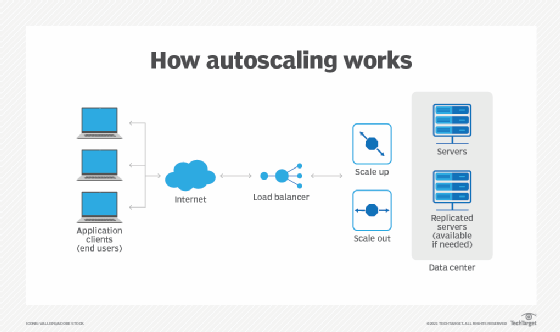
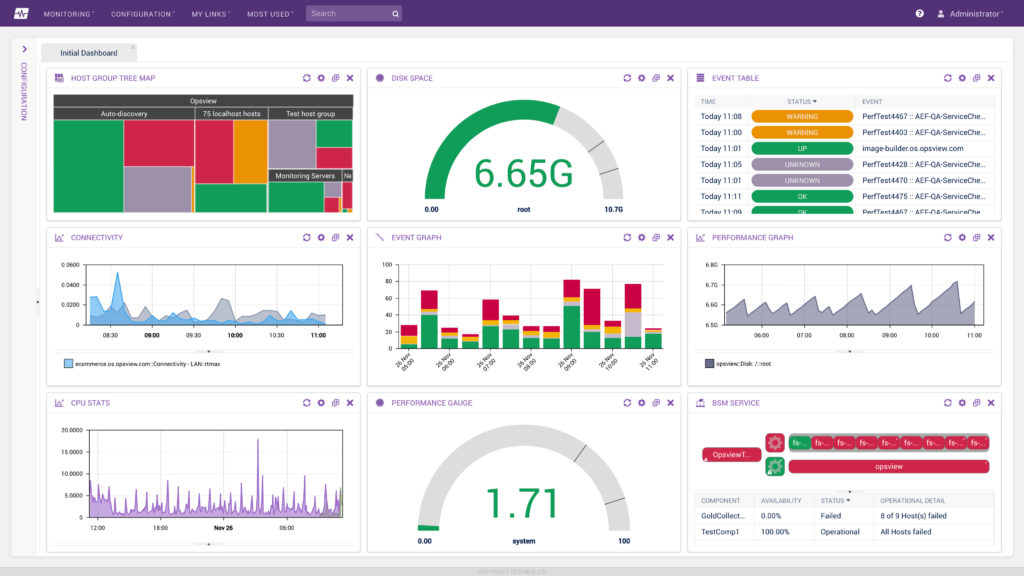
Architecture:
Provider-managed databases with automated scaling, backups, and updates.
Examples include platforms from Amazon Web Services, Google Cloud, and Microsoft Azure.
Pros
- High reliability
- Built-in HA and backups
- Strong global footprint
Cons
- Cost inflation at scale
- Data egress fees
- Limited tuning flexibility
Best for:
Fast-growing SaaS, enterprises, multi-region apps.
High-Availability Enterprise Clusters
Architecture:
Multi-node clusters with synchronous replication and automated failover.
Pros
- Extremely high uptime
- Strong compliance alignment
- Custom security controls
Cons
- High operational complexity
- Requires expertise
Best for:
Finance, healthcare, regulated enterprises.
AI-Optimized Database Platforms
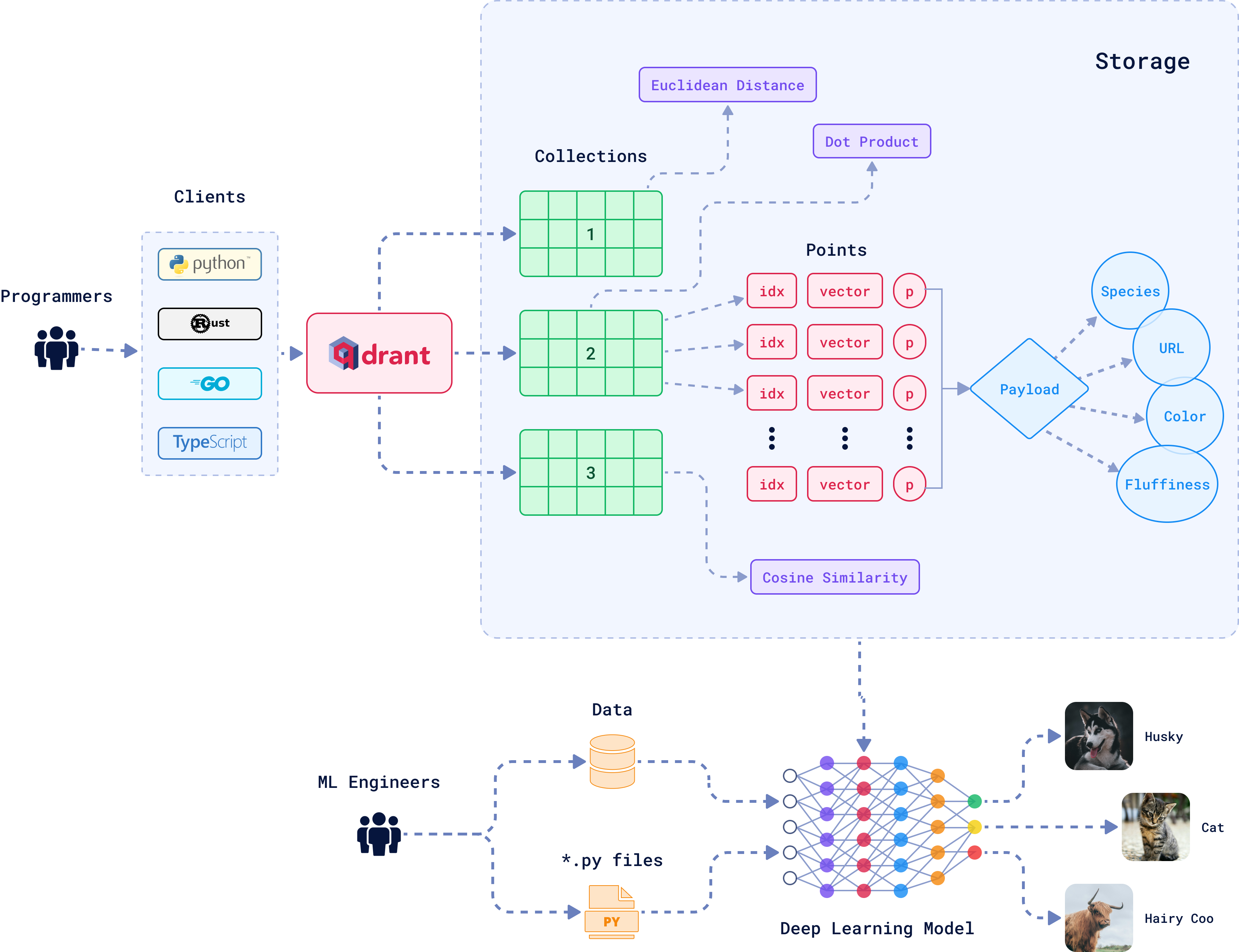

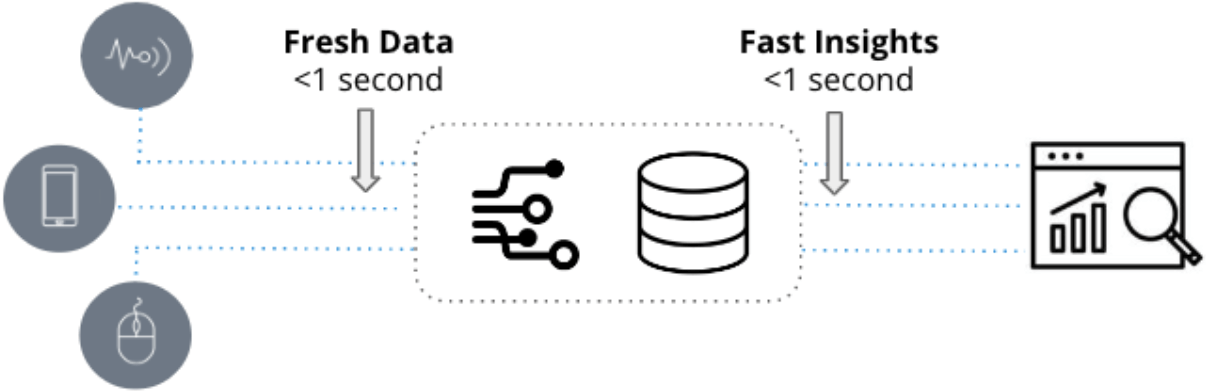
Architecture:
Databases purpose-built for AI workloads, often supporting vector search, real-time sync, and ML integration.
Examples include vector-native and AI-enhanced databases increasingly used alongside traditional engines.
Pros
- Optimized for AI and ML
- Excellent performance for embeddings and similarity search
Cons
- Newer ecosystem
- Higher learning curve
Best for:
Generative AI apps, recommendation systems, AI-first SaaS.
Evaluating Cost Models in 2026
Pricing Models
| Model | Characteristics | Risk |
|---|---|---|
| Pay-as-you-go | Flexible, usage-based | Unpredictable bills |
| Reserved / committed | Discounted, predictable | Less flexibility |
| Hybrid | Baseline + burst | Moderate complexity |
Regional Cost Differences
- US: Broadest provider choice, competitive pricing
- UK: Slightly higher costs due to compliance and energy
- Germany: Premium for local data residency and compliance
Hidden Cost Considerations
- Cross-region replication
- API call charges
- Backup retention
- Premium support tiers
Balancing Cost vs Uptime vs AI Readiness (Value Matrix)
| Hosting Type | Cost Tier | Uptime SLA | AI Readiness | Best Use Case |
|---|---|---|---|---|
| Shared | Low | <99.9% | Low | Hobby projects |
| VPS/Dedicated | Medium | 99.9% | Medium | SMB apps |
| Managed Cloud | Medium–High | 99.99% | High | SaaS platforms |
| HA Clusters | High | 99.999% | Medium–High | Regulated enterprises |
| AI-Optimized | Medium–High | 99.9–99.99% | Very High | AI-native products |
Regional Considerations: US, UK, Germany
Data Residency & Compliance
Hosting in-region simplifies compliance with:
- GDPR (EU & UK)
- US state privacy laws
- German federal and state data protection expectations
Germany-based organizations often prefer local or EU-only database hosting to reduce audit complexity.
Performance Benchmarks
Latency varies significantly:
- US coastal regions: lowest global latency
- UK: strong regional coverage, excellent EU connectivity
- Germany: excellent intra-EU performance, strict infrastructure standards
Multi-region replication improves resilience but increases cost.
Provider Comparisons in 2026
Global Cloud Platforms
- Strong uptime and global reach
- Higher cost at scale
Regional Hosting Providers
- Competitive pricing
- Better compliance alignment in Germany and the UK
AI-Ready Database Platforms
- Strong innovation velocity
- Ideal for AI-heavy workloads
The best value often comes from combining models, not choosing a single provider.
How to Choose the Best Value Database Hosting in 2026
Step-by-Step Framework
- Assess workload type
OLTP, analytics, AI inference, vector search? - Forecast growth
Data volume, traffic, AI usage over 3 years. - Define uptime requirements
What does downtime cost your business? - Evaluate compliance needs
GDPR, UK GDPR, German regulations. - Score AI readiness
Vector support, ML integration, performance. - Model total cost of ownership (TCO)
Include hidden and scaling costs.
Use Cases & Real-World Scenarios
Startup Scaling Cost-Consciously
A US startup uses VPS-hosted PostgreSQL initially, then migrates to managed cloud once AI features drive growth.
Enterprise AI Workloads
A global enterprise runs transactional databases in HA clusters and AI workloads on AI-optimized databases.
SaaS with Uptime Guarantees
A UK SaaS company prioritizes managed databases with 99.99% SLAs to meet customer contracts.
German Regional Business
A German firm chooses EU-hosted databases to simplify audits and reassure customers.
Pros & Cons Summary Table
| Hosting Type | Strengths | Weaknesses |
|---|---|---|
| Shared | Cheapest | Low reliability |
| VPS/Dedicated | Control, cost | Manual ops |
| Managed Cloud | Reliability | Cost inflation |
| AI-Optimized | AI performance | Newer tooling |
FAQs
Q1. What is the most cost-effective database hosting in 2026?
VPS or reserved managed databases often deliver the best value for steady workloads.
Q2. How do uptime SLAs affect cost?
Higher SLAs require redundancy, increasing cost.
Q3. Which databases are most AI-ready?
Databases supporting vector search and real-time analytics lead in AI readiness.
Q4. Does hosting location affect GDPR compliance?
Yes—data residency and access control are critical.
Q5. How do AI workloads affect billing?
They increase compute, I/O, and storage costs.
Q6. What uptime should businesses expect?
99.99% is becoming the standard for production systems.
Q7. How can costs be estimated accurately?
Model growth, include egress and backup fees, and test with real workloads.
Q8. Are self-hosted databases still relevant for AI?
Yes, especially for cost control and data sovereignty.
Q9. What security features matter most?
Encryption, access control, auditing, and isolation.
Conclusion
In 2026, best value database hosting is about balance.
The right choice is not the cheapest provider or the most famous brand—it is the solution that delivers:
- Predictable costs
- High uptime and reliability
- Genuine AI readiness
- Regulatory alignment in the US, UK, and Germany
Startups should prioritize flexibility and cost control. Enterprises should focus on uptime, compliance, and AI performance. Privacy-focused brands should evaluate regional hosting and sovereignty options.
Evaluate database hosting as a strategic asset, not a commodity—and value will follow.