Best Shared Hosting for Small Businesses Worldwide
Every small business owner knows that managing overhead costs is a daily battle. You want the best tools to grow your brand, but you also need to keep expenses manageable. When it comes to building an online presence, this balancing act is most evident in your choice of web hosting.
Your hosting provider is your digital landlord. They house your website’s files and make sure your “storefront” is open when customers come knocking. For the vast majority of small businesses launching a new site, shared hosting is the logical starting point. It offers the functionality you need without the enterprise-level price tag.
However, the market is flooded with thousands of providers promising “unlimited” everything for pennies on the dollar. Navigating these claims to find a reliable partner can be exhausting. This guide cuts through the marketing noise to explain exactly what shared hosting offers, which providers stand out globally, and how to choose the right plan for your specific business goals.
Why Shared Hosting Is a Popular Choice for Small Businesses
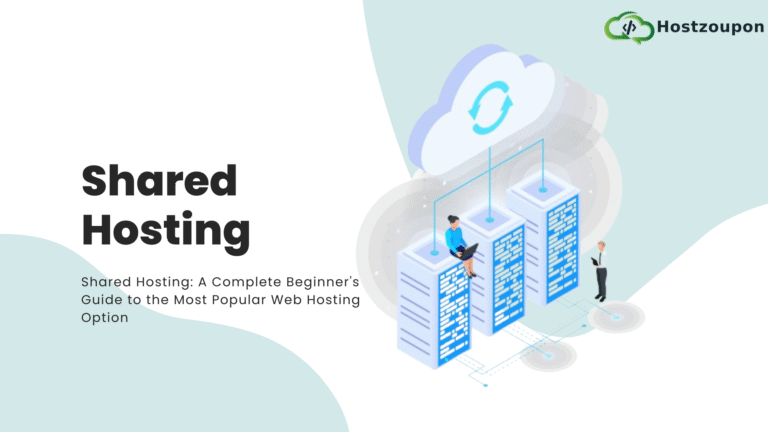
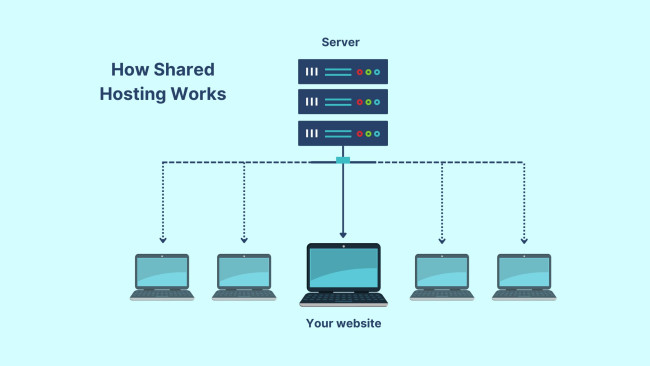
Shared hosting is the entry-level standard for the web, powering millions of sites across the globe. The concept is simple: your website resides on a single physical server alongside hundreds of other websites. You share the server’s resources—CPU, RAM, and storage—which drastically reduces the cost for everyone involved.
Think of it like renting an apartment in a large complex. You have your own private space, but you share amenities like the water supply, the parking lot, and the building security with your neighbors.
Low Cost Compared to Other Hosting Types
The primary driver for shared hosting adoption is affordability. Because the provider splits server maintenance costs among many users, plans can start as low as $2 to $5 per month. For a small business operating on a shoestring budget, this allows you to allocate funds to other critical areas like marketing or product development.
Easy Setup and Management
Shared hosting platforms are built for non-developers. They almost always come with a control panel (like cPanel or a custom dashboard) that visualizes your server backend. Installing a Content Management System (CMS) like WordPress usually takes a single click. You don’t need to know how to use a command line or configure server ports; the interface handles the complexity for you.
No Need for Technical Knowledge
With more advanced hosting, such as a Virtual Private Server (VPS) or a dedicated server, you are often responsible for maintaining the operating system and security patches. Shared hosting is “managed” hosting. The provider handles the technical heavy lifting, including server updates, hardware maintenance, and network security. You simply upload your files and focus on your business.
Ideal for Small Business Websites
Most small business sites—local restaurants, service providers, portfolios, and small blogs—don’t require massive computing power. They typically receive steady, moderate traffic rather than millions of hits per second. Shared hosting provides more than enough power to handle this level of activity efficiently.
What Small Businesses Need from Shared Hosting
While price is a major factor, the cheapest option isn’t always the best for a business. A hobbyist blog can afford to go offline for a few hours; a business cannot. Here are the non-negotiable features you should look for.
Reliable Uptime
Uptime is the percentage of time your website is accessible to visitors. If your site is down, you are effectively closed for business. Industry standard is a 99.9% uptime guarantee. This allows for very minimal downtime (usually for maintenance). Anything less than 99.9% is unacceptable for a professional entity.
Fast Website Loading Speed
Consumers have zero patience for slow websites. If your page takes more than three seconds to load, a significant portion of your traffic will bounce (leave immediately). Shared hosts must offer modern infrastructure, such as SSD (Solid State Drive) storage and latest PHP versions, to ensure your site serves content quickly.
Good Customer Support
When your email stops working or your site throws a “500 Internal Server Error,” you need help immediately. The best hosts offer 24/7 support via live chat or phone. For a small business owner wearing many hats, having a technical expert available at 2 AM is invaluable.
Basic Security Features
Cyber threats do not discriminate based on business size. In fact, small businesses are often targets because their security is perceived as lax. Your host should provide a free SSL certificate (the padlock icon in the browser), automated daily backups, and basic firewall protection to keep your data safe.
Room to Grow
Your goal is to expand your business. A good shared hosting provider offers scalable tiers. You should be able to upgrade from a basic plan to a premium shared plan—or eventually to a VPS—seamlessly as your traffic grows, without experiencing extended downtime during the migration.
Best Shared Hosting for Small Businesses Worldwide
The hosting landscape is vast, but a few providers have established themselves as reliable partners for small enterprises. We’ve categorized them based on their strengths to help you find your best fit.
Best Overall Shared Hosting for Small Businesses
Examples: SiteGround, Bluehost
The “Best Overall” category belongs to providers that strike a perfect balance between performance, price, and support. These hosts typically don’t offer the absolute lowest rock-bottom price, but they provide a level of reliability that lets business owners sleep at night.
Key Features: These providers usually offer a custom-built dashboard that is easier to navigate than the traditional cPanel. They include free professional email accounts, daily backups, and integrated caching tools to speed up your site.
Performance and Uptime: You can expect consistent uptime well above 99.9% and fast server response times. They often use Google Cloud Platform or similar high-end infrastructure as their foundation.
Support Quality: This is the differentiator. The best overall hosts invest heavily in training their support agents. You won’t just get a link to a help article; you’ll get a technician who troubleshoots the specific issue.
Best For: Businesses that have a moderate budget and prioritize peace of mind and ease of use over saving a dollar or two per month.
Best Budget Shared Hosting for Small Businesses
Examples: Hostinger, DreamHost
For startups where cash flow is tight, budget hosts provide an incredible value proposition. Through efficient resource management, they offer plans that can dip below the cost of a cup of coffee per month.
Pricing Overview: To get the lowest advertised price (often around $2/month), you usually have to lock into a long-term contract, such as 48 months. The renewal price after that term will be higher, so it is important to read the fine print.
Performance Trade-offs: While the speed is often surprisingly good, resources might be capped more strictly. You might face limits on the number of files (inodes) you can store or the number of concurrent visitors your site can handle before it slows down.
Ideal Use Cases: New businesses, landing pages, and portfolios where traffic is currently low and keeping overhead to a minimum is the primary goal.
Best Shared Hosting for Business Websites on WordPress
Examples: WP Engine (Premium), A2 Hosting
Since WordPress powers over 40% of the web, many hosts specialize specifically in optimizing for this platform.
WordPress Optimization: These servers are configured specifically for WordPress code. They include features like “managed updates,” where the host automatically updates your plugins and core software to keep you secure.
Ease of Management: They often offer one-click staging environments. This allows you to clone your website, test changes (like a new design or plugin) in a safe environment, and then push those changes to your live site with one click.
Security and Updates: Specialized WordPress hosts have firewalls ruled specifically to block common WordPress vulnerabilities, adding a layer of security that generic shared hosting might lack.
Best Shared Hosting for International Small Businesses
Examples: HostGator, Cloudways (Hybrid)
If your customers are in Tokyo, hosting your website on a server in New York will result in latency (lag). The data has to travel physically across the world. International businesses need hosts with a global footprint.
Global Server Locations: The best providers for international business allow you to choose your data center location during signup. Look for a host with servers in Europe, Asia, and the Americas.
Website Speed for International Visitors: By placing the server closer to your target audience, you reduce Time to First Byte (TTFB), making your site feel instant for local users.
Multilingual Support: For businesses operating in non-English speaking markets, it is vital to check if the hosting provider offers support in your local language or has a localized version of their control panel.
Shared Hosting Comparison Table for Small Businesses
| Feature | Best Overall | Best Budget | Best for WordPress | Best International |
|---|---|---|---|---|
| Price Range | $$ (Moderate) | $ (Low) | $$-$$$ (Mod-High) | $$ (Moderate) |
| Storage | 10GB – 40GB SSD | 50GB – 100GB | 10GB – Unlimited | Varies by region |
| Uptime Guarantee | 99.99% | 99.9% | 99.9% – 99.99% | 99.9% |
| Support | 24/7 Priority Chat | 24/7 Standard Chat | Specialized WP Experts | 24/7 Global Support |
| Best Use Case | Established small businesses | Startups & Portfolios | Content-heavy sites/Blogs | Global customer bases |
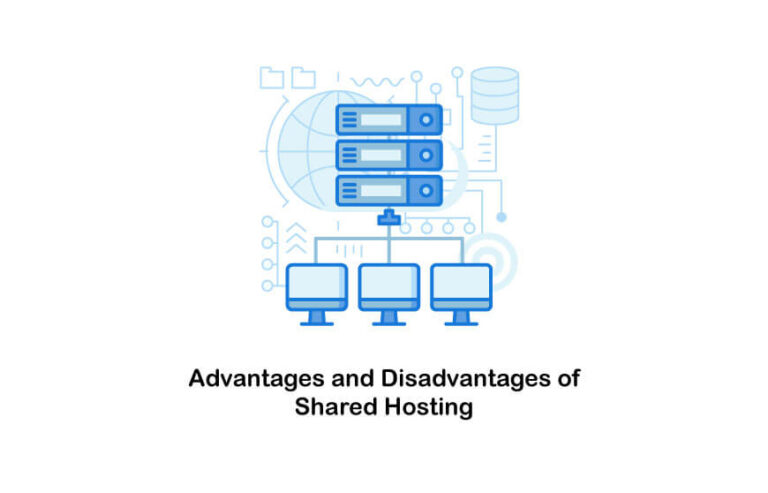
Pros and Cons of Shared Hosting for Small Businesses
Before committing, it is essential to weigh the advantages against the limitations.
Pros
- Affordable Monthly Cost: It is the most cost-effective way to get online. The barrier to entry is practically zero.
- Beginner-Friendly: You do not need a degree in computer science. If you can use a social media profile, you can manage a shared hosting account.
- Hosting Provider Manages Server: The “managed” aspect means you don’t have to worry about the physical hardware or the operating system updates.
Cons
- Limited Performance: Because you share resources, if another website on your server gets a massive viral traffic spike, your website might slow down temporarily. This is known as the “bad neighbor” effect.
- Not Ideal for High-Traffic Stores: If you have a large e-commerce store with thousands of products and simultaneous checkout processes, shared hosting may struggle to process the requests quickly enough.
- Fewer Customization Options: You generally cannot install custom software on the server level or change system-wide settings, as this would affect other users.
Shared Hosting vs Other Hosting Options for Small Businesses
Understanding where shared hosting sits in the ecosystem helps you decide if it’s right for you.
Shared Hosting vs VPS
A Virtual Private Server (VPS) still involves sharing a physical server, but your portion of the resources is virtualized and guaranteed. In shared hosting, resources are a free-for-all; in VPS, your slice of the pie is reserved strictly for you. VPS is faster and more stable but costs more and requires more technical skill to manage.
Shared Hosting vs Cloud Hosting
Cloud hosting uses a network of servers rather than a single physical machine. If one server fails, another takes over instantly. Cloud hosting offers superior reliability and scalability. However, shared hosting is generally much simpler to set up and significantly cheaper for low-traffic sites.
When Shared Hosting is Enough
For 90% of small businesses—local shops, professional services (lawyers, plumbers, consultants), and informational sites—shared hosting is more than enough. If your site is primarily informational and attracts fewer than 20,000 visitors a month, moving to VPS or Cloud is likely an unnecessary expense.
How to Choose the Best Shared Hosting for Your Small Business
Making the final decision comes down to assessing your specific situation.
Based on Website Size
Are you building a one-page digital business card or a 50-page resource hub? Check the storage limits. If you plan to host high-resolution photography or video files, ensure the host offers ample SSD storage.
Based on Expected Traffic
Be realistic about your visitor numbers. If you are just launching, your traffic will be low. Start with a smaller shared plan. If you are migrating an established site with 50,000 monthly visitors, you might already be pushing the limits of entry-level shared hosting.
Based on Business Goals
If you run an e-commerce store, security and SSL integration are your top priorities. If you are a content creator, speed and storage matter most. Match the feature set to your revenue model.
Based on Future Growth
Check the upgrade path. Does the host offer VPS or Dedicated server options? Knowing you can click a button and upgrade your resources when your marketing campaign goes viral provides immense peace of mind.
Is Shared Hosting Good for Small Business SEO?
Search Engine Optimization (SEO) determines how easily customers find you on Google. Hosting plays a silent but critical role here.
Website Speed and Rankings
Google uses Core Web Vitals as a ranking factor. These metrics measure how fast your content loads and becomes interactive. A high-quality shared host will optimize their servers to ensure decent load times. However, an overcrowded, low-quality shared server can slow your site down, hurting your rankings.
Uptime Importance
If Google crawls your site while it is down due to server issues, it cannot index your content. Frequent downtime signals to search engines that your site is unreliable, which can lead to de-ranking.
Choosing a Quality Provider
Shared hosting itself does not hurt SEO. Bad shared hosting hurts SEO. Choosing a reputable provider with modern infrastructure ensures that your hosting tier won’t negatively impact your search visibility.
Frequently Asked Questions
Is shared hosting safe for small businesses?
Yes, provided you choose a reputable host. While you share the server, your file directory is isolated from other users. However, because you share an IP address, there is a small risk that if a neighbor sends spam, the IP could be blacklisted. Using a dedicated IP (often an add-on) solves this.
Can I upgrade my hosting later?
Absolutely. This is one of the best features of shared hosting. You can start on the cheapest “Baby” or “Starter” plan and move up to “Business” or “Pro” tiers instantly as your needs change.
Is shared hosting good for online stores?
It is suitable for small online stores with a limited product range and low to moderate traffic. If you are running a large WooCommerce store with heavy traffic, a managed WordPress or VPS solution is better suited to handle the database queries securely and quickly.
How much traffic can shared hosting handle?
While “unlimited” bandwidth is a common marketing term, the reality is different. most standard shared hosting plans can comfortably handle between 10,000 to 25,000 visits per month. Beyond that, performance may begin to degrade.
Final Verdict: Best Shared Hosting for Small Businesses Worldwide
Choosing the right hosting is a foundational step in your business journey. For most small businesses, shared hosting offers the perfect blend of affordability, ease of use, and functionality. It allows you to establish a professional digital footprint without requiring an IT department or a massive budget.
For beginners, the advice is simple: prioritize support and reliability over the absolute lowest price. A savings of $2 a month isn’t worth it if your site crashes during a sales campaign.
Start small. Pick a plan that fits your current reality, not your five-year projection. One of the greatest advantages of the digital landscape is scalability. You can launch today on a shared plan, grow your audience, and scale your infrastructure only when your revenue justifies it.