The 2026 CMS Hosting Guide: Managed WordPress vs. Headless SaaS — Which Scales Better?
A global, data-driven comparison for site owners, marketers, and developers
Introduction: CMS Hosting in 2026 — Why the Choice Matters More Than Ever
Content Management System (CMS) hosting sits at the center of the modern digital economy. In 2026, websites are no longer simple marketing brochures—they are revenue engines, product platforms, customer experience hubs, and API-driven ecosystems. As a result, CMS hosting decisions now directly affect performance, security, scalability, compliance, and long-term cost.
Two models dominate the global conversation:
- Managed WordPress hosting
- Headless SaaS CMS hosting
Both approaches are mature, widely adopted, and capable—but they scale very differently.
Why CMS Hosting Has Become Strategic in 2026
Several structural trends have converged:
- Traffic volatility driven by social, AI search, and global campaigns
- Multi-region audiences across the US, UK, Germany, and beyond
- Rising performance expectations (Core Web Vitals, sub-second loads)
- Security and compliance pressure (GDPR, data residency, SOC 2)
- Developer scarcity, pushing teams toward managed platforms
WordPress still powers over 40% of the web, while headless SaaS CMS platforms are growing rapidly in enterprise, SaaS, and omnichannel environments. The question is no longer which is better, but:
Which CMS hosting model scales better for your goals in 2026?
This guide delivers a deep CMS hosting comparison, grounded in real-world use cases across the US, UK, and Germany, with architecture diagrams, benchmarks, code examples, and expert insights.
What Is CMS Hosting?
Definition
CMS hosting refers to the infrastructure, platform services, and operational tooling required to run a content management system—including compute, storage, networking, security, updates, and scaling.
In 2026, CMS hosting has evolved from “where your site lives” into a managed application platform.
CMS Hosting Market Overview (2026)
Global CMS hosting demand is expanding due to:
- Digital transformation across SMBs and enterprises
- Growth of eCommerce and content-driven SaaS
- API-first and composable architecture adoption
Key CMS hosting trends in 2026:
- Platform-managed performance optimization
- Built-in CDN, edge caching, and image optimization
- Security-first defaults (WAF, DDoS, isolation)
- Developer tooling baked into hosting layers
Two Dominant Models
- Managed WordPress Hosting
A tightly integrated hosting + CMS platform. - Headless SaaS CMS Hosting
CMS-as-a-service, decoupled from frontend hosting.
Overview: Managed WordPress Hosting

What Is Managed WordPress Hosting?
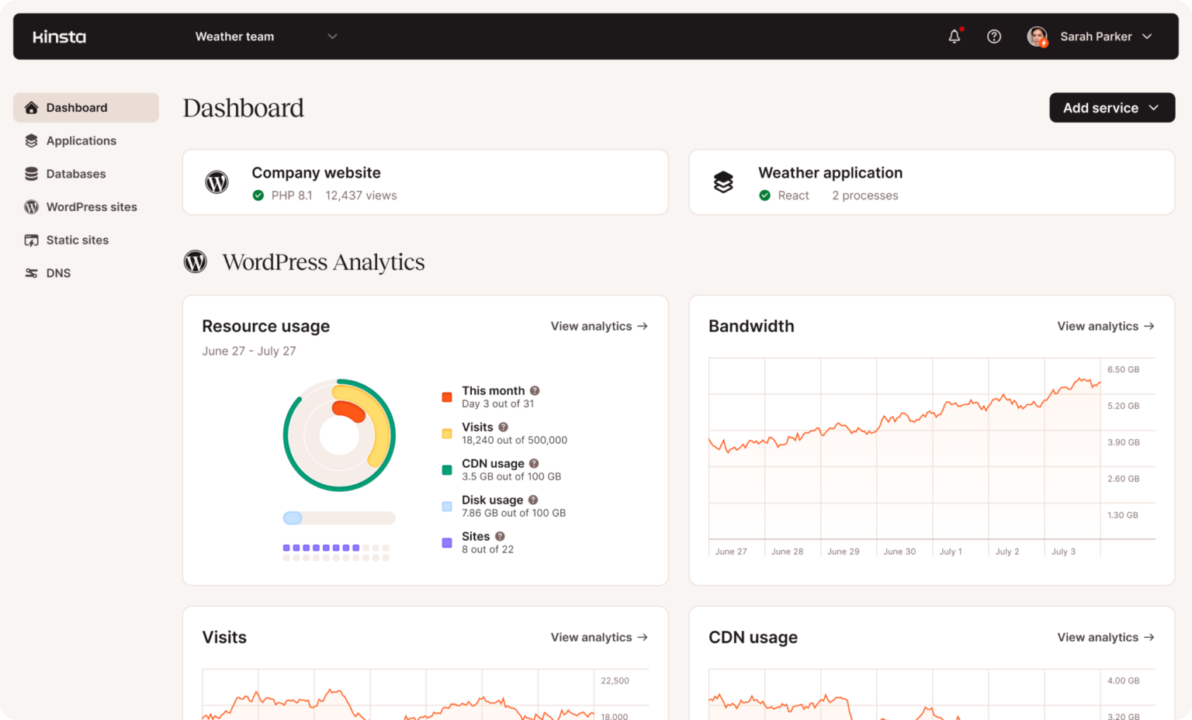
Managed WordPress hosting is a specialized hosting environment built exclusively for WordPress. The provider handles infrastructure, updates, caching, security, backups, and performance tuning.
Leading Providers (2026)
- WP Engine
- Kinsta
- Flywheel
- SiteGround
- Pressable
These platforms are widely used across US CMS hosting, UK CMS hosting, and Germany CMS hosting markets.
Core Features
- Auto-scaling PHP and database layers
- Built-in CDN and edge caching
- One-click staging environments
- Automatic WordPress core and plugin updates
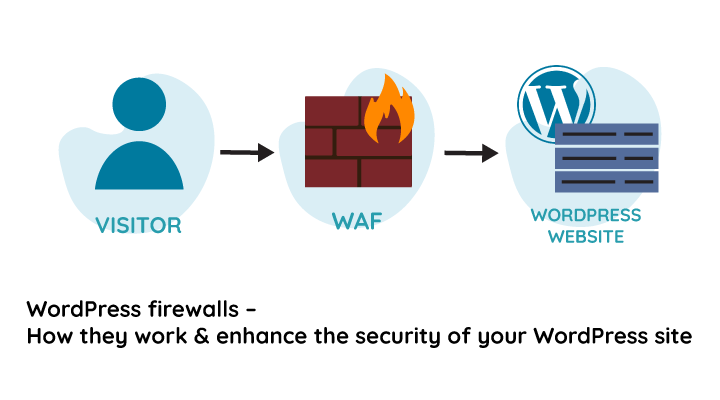
- Malware scanning and firewall protection
Typical Architecture
User → CDN → NGINX → PHP-FPM → WordPress → MySQL
              ↓
         Object Cache (Redis)
Pricing (2026 Snapshot)
| Tier | Monthly Cost | Typical Use Case |
|---|---|---|
| Entry | $25–35 | Blogs, small business |
| Growth | $60–120 | Marketing sites, SMB |
| Scale | $250+ | High-traffic, enterprise |
Pricing is usually visit-based, which becomes a scaling factor later.
Overview: Headless SaaS CMS Hosting


What Is Headless SaaS CMS Hosting?
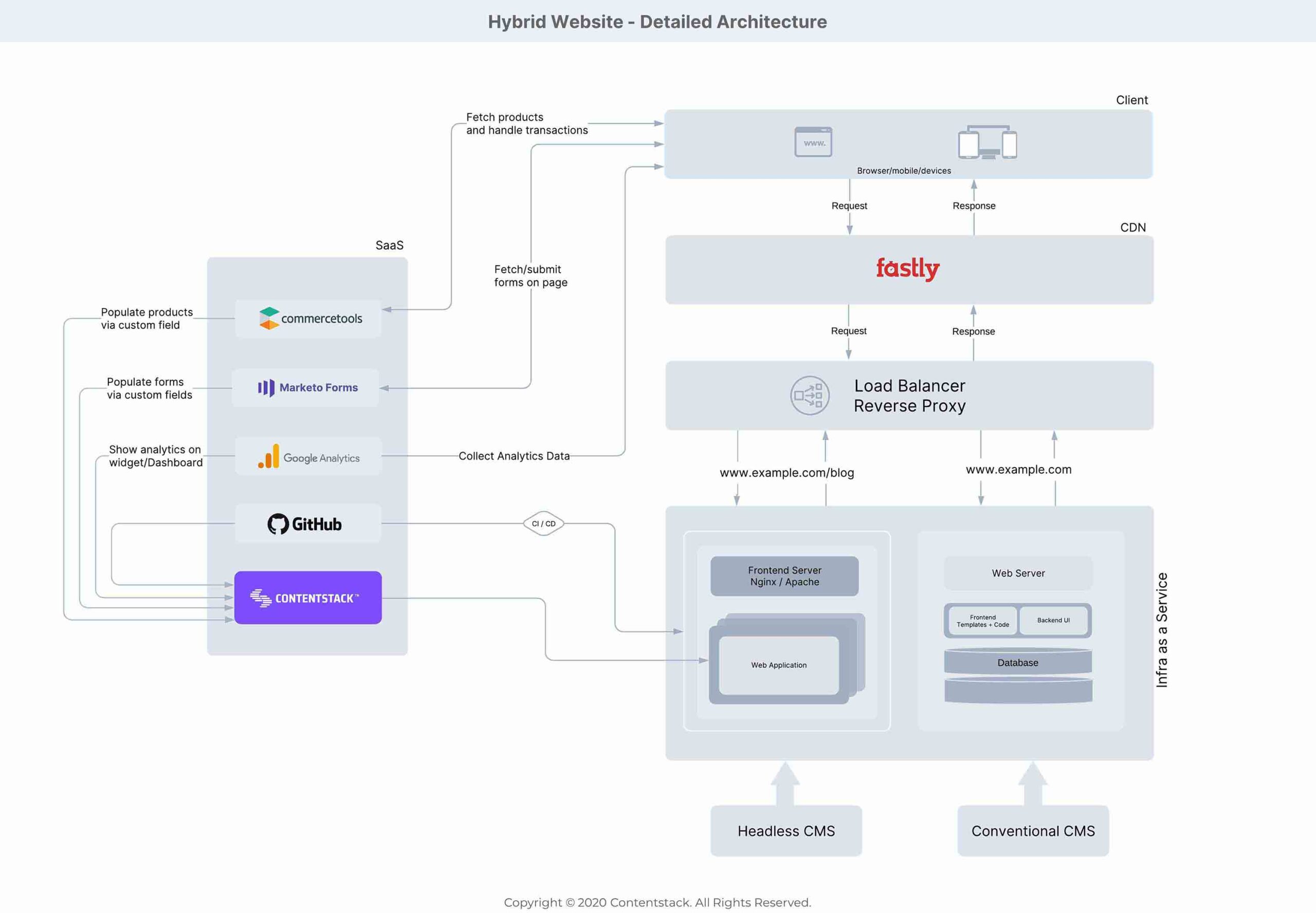
A Headless CMS separates content management from presentation. The CMS is delivered as a SaaS product, while frontend hosting is handled independently (often via static or edge platforms).
Leading Platforms (2026)
- Contentful
- Strapi Cloud
- Sanity
- Storyblok
- Hygraph
API-First Architecture
Editor → SaaS CMS → API (REST/GraphQL)
                          ↓
              Frontend (Next.js, Nuxt, Svelte)
                          ↓
                 Edge / CDN / Static Hosting
Common Use Cases
- Multi-channel publishing (web, mobile, IoT)
- High-traffic global sites
- SaaS marketing + product docs
- Omnichannel commerce
Detailed Comparison: Managed WordPress vs. Headless SaaS
1. Architecture
| Aspect | Managed WordPress | Headless SaaS CMS |
|---|---|---|
| Coupling | Monolithic | Decoupled |
| Backend | PHP + MySQL | SaaS APIs |
| Frontend | WordPress themes | Any framework |
| Hosting | Single platform | Composable |
2. Performance & Scalability
Managed WordPress
- Scales vertically and horizontally
- Visit-based pricing can throttle growth
- PHP execution limits apply
Headless SaaS
- CDN-native delivery
- Near-infinite read scalability
- API rate limits (not traffic limits)
Benchmark Insight (2026 averages):
| Metric | WordPress | Headless |
|---|---|---|
| TTFB | 300–600ms | 50–150ms |
| Global Edge | Partial | Native |
| Traffic Spikes | Costly | Cheap |
3. Security
- WordPress: patching, plugin risk, WAFs
- Headless: smaller attack surface, token-based APIs
Germany-based enterprises often favor headless due to data isolation and reduced exploit vectors.
4. Developer Experience
WordPress
- Faster onboarding
- Large plugin ecosystem
- PHP-centric
Headless
- Modern JS tooling
- Git-based workflows
- Higher initial complexity
5. SEO & Marketing Tools
WordPress excels at:
- Non-technical SEO workflows
- Editorial publishing
- Plugin-driven optimization
Headless excels at:
- Core Web Vitals
- Programmatic SEO
- Multi-language at scale
6. Integration Ecosystem
- WordPress: plugins-first
- Headless: API-first
Enterprise stacks increasingly favor API-native CMS models.
7. Total Cost of Ownership (TCO)
| Cost Factor | WordPress | Headless |
|---|---|---|
| Hosting | Medium | Low |
| Dev Cost | Low | Higher |
| Scaling | Expensive | Efficient |
| Long-Term | Variable | Predictable |
Which Scales Better? (Real-World Scenarios)
eCommerce (Global)
- WordPress (WooCommerce): faster launch
- Headless + commerce API: better scale
Enterprise Marketing
- WordPress: editorial speed
- Headless: multi-brand governance
Multi-Region Global Sites
Winner: Headless SaaS CMS
Especially in US–EU split deployments.
Case Studies & Regional Examples
United States
- SaaS companies using headless CMS + Next.js
- Media brands still relying on WordPress scale plans
United Kingdom
- Agencies adopting hybrid WordPress-headless builds
- Strong GDPR alignment driving architectural decisions
Germany
- Enterprises favoring headless for compliance
- WordPress used mainly for marketing microsites
Pros & Cons Summary Table
| Model | Pros | Cons |
|---|---|---|
| Managed WordPress | Ease, ecosystem, speed | Scaling cost, security risk |
| Headless SaaS | Performance, flexibility, scale | Complexity, dev resources |
How to Choose CMS Hosting in 2026 (Step-by-Step)
- Define traffic growth expectations
- Assess internal technical skills
- Identify compliance requirements
- Model 3-year TCO
- Evaluate performance benchmarks
- Pilot before full migration
Code Sample: Headless CMS Fetch (Next.js)
export async function getStaticProps() {
  const res = await fetch('https://api.cms.com/content');
  const data = await res.json();
  return { props: { data }, revalidate: 60 };
}
Expert Predictions for 2026
“Composable CMS architectures will dominate enterprise web stacks by 2026.”
— Senior Analyst, Digital Experience Platforms
“WordPress will remain the fastest way to publish, but not the fastest to scale globally.”
— CTO, Global Digital Agency
FAQs
Q1. What is the best CMS hosting in 2026?
It depends on scale, team skill, and growth model.
Q2. Is WordPress still relevant in 2026?
Yes—especially for marketing-driven organizations.
Q3. Does headless CMS hurt SEO?
No, when implemented correctly, it often improves SEO.
Q4. Which scales better globally?
Headless SaaS CMS platforms.
Q5. Is managed WordPress cheaper?
Initially yes; long-term scaling can be costly.
Q6. What about hybrid setups?
Increasingly common and effective.
Q7. Which is better for agencies?
WordPress for speed, headless for enterprise.
Q8. What about security?
Headless has a smaller attack surface.
Conclusion: Choosing the Right CMS Hosting Model
In 2026, CMS hosting is a strategic decision, not a technical afterthought.
- Choose Managed WordPress hosting if you value speed, simplicity, and editorial control.
- Choose Headless SaaS CMS if you prioritize performance, scalability, and global delivery.
Final CTA
👉 Audit your CMS hosting stack now.
The cost of choosing the wrong model compounds every year—while the right one becomes a growth multiplier.