
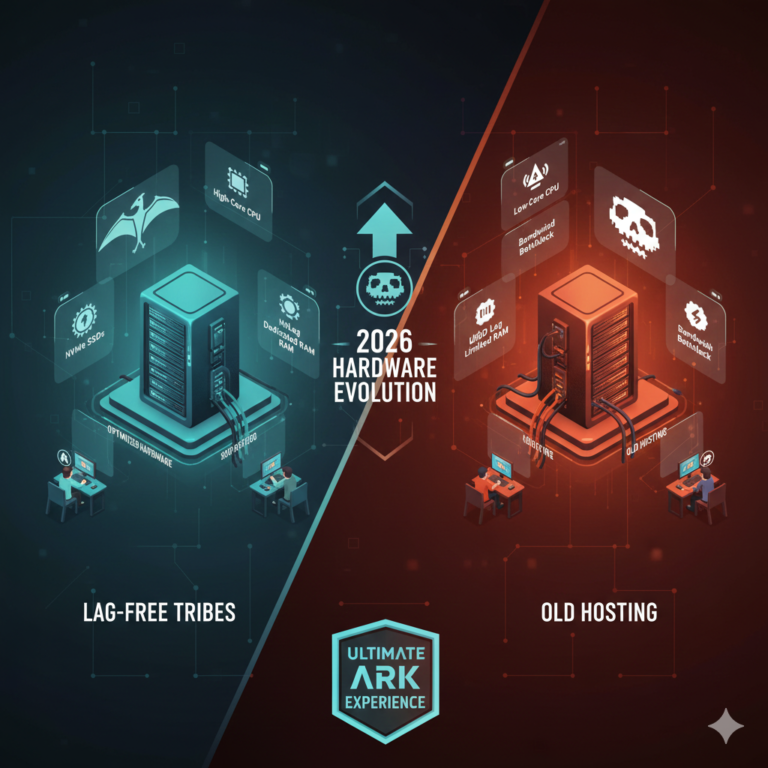
Hosting ARK: Survival Ascended in 2026—The Best Hardware for Lag-Free Tribes

ARK: Survival Ascended Hosting: Plan Capacity and Test the World

Running a smooth ARK: Survival Ascended server in 2026 demands more than basic game hosting. With larger maps, advanced Unreal Engine features, and massive tribes, hardware choices directly impact lag, rubberbanding, and server crashes. This guide breaks down the best CPUs, RAM, storage, and network setups for lag-free ARK hosting—helping tribes and server admins deliver stable, high-performance gameplay worldwide.
Best Value Database Hosting 2026: Balancing Cost, Uptime, and AI Readiness

Database Hosting Value: Compare Workload, Recovery and Total Cost

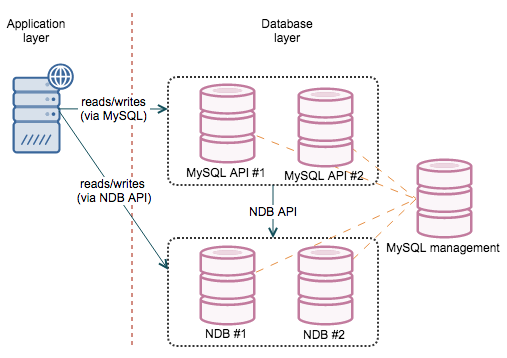
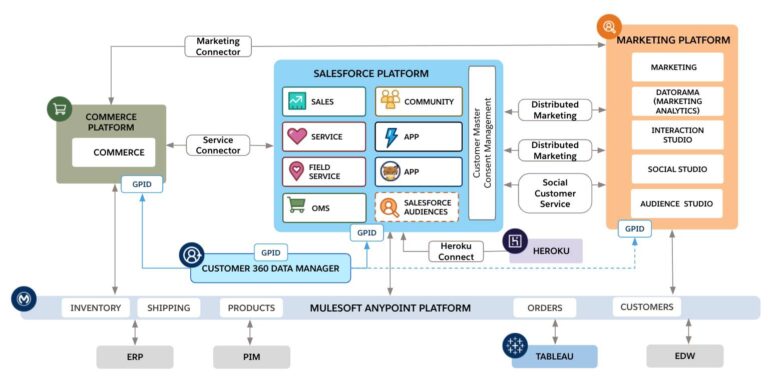
Choosing the best value database hosting in 2026 is no longer just about low prices. Businesses must balance predictable costs, high uptime guarantees, and readiness for AI-driven workloads. This in-depth guide compares modern database hosting options—from managed cloud platforms to AI-optimized infrastructures—helping global organizations, especially in the US, UK, and Germany, make smarter decisions for performance, compliance, and long-term scalability.

CRM Hosting in 2026: Why Self-Hosting is Making a Comeback for Privacy-Conscious Brands

Self-Hosted CRM: Control, Privacy and the Work You Take On

As data privacy regulations tighten worldwide, CRM hosting decisions are under renewed scrutiny. In this 2026 guide, we explore why self-hosted CRM platforms are regaining popularity among privacy-conscious brands. From GDPR compliance and data ownership to long-term cost control and customization, this article compares self-hosted CRM hosting with cloud SaaS models and helps global businesses—especially in the US, UK, and Germany—choose the right CRM infrastructure for a privacy-first future.

Cloud Hosting vs VPS vs Shared Hosting: Which Is Best?

Cloud, VPS and Shared Hosting: Compare Three Real Configurations

Choosing the right hosting type is crucial for website performance, reliability, and cost efficiency. Shared hosting is ideal for beginners with low traffic, while VPS hosting offers dedicated resources at a mid-range price point. Cloud hosting, with its distributed infrastructure and automatic scaling, provides superior uptime and flexibility for growing websites and high-traffic applications. Understanding your site’s needs and future goals helps determine which hosting option fits best.

Shared Hosting: Everything You Need to Know Before You Start

Before Buying Shared Hosting: A Pre-Purchase Checklist

Shared hosting is often the first step for people who want to create a website. It is affordable, easy to use, and widely offered by hosting providers around the world.

In this complete beginner’s guide, you will learn everything you need to know about shared hosting before you start. We cover how shared hosting works, its benefits and limitations, performance, security, and how to decide if it is the right hosting option for your website.

Shared Hosting Explained: Features, Benefits, and Limitations

Shared Hosting Limits: Read CPU, Memory, Files and Usage Terms

Shared hosting is one of the most common types of web hosting, especially for beginners and small websites. It is affordable, easy to use, and often recommended for first-time website owners.

In this guide, shared hosting is explained step by step. You will learn how it works, its main features, benefits, and limitations, and whether it is the right hosting option for your website.

What Is Shared Hosting? A Complete Beginner’s Guide (Worldwide)

Starting on Shared Hosting: Your First Month Checklist

Shared hosting is one of the most popular and affordable ways to host a website, especially for beginners. If you are starting a blog, small business site, or personal website, shared hosting is often the first option you will see.

In this complete beginner’s guide, you will learn what shared hosting is, how it works, its advantages and disadvantages, and whether it is the right choice for your website—no technical knowledge required.