Does a New Website Need Shared Hosting? Start With the Application
Shared hosting can be a convenient starting point for a new website, but new does not automatically mean small or simple. A new store with complex integrations may need more support than an established information site.
The earlier article called shared hosting the best choice for almost every beginner. That unsupported percentage and universal recommendation have been removed. Start with the application and the people who will maintain it.
Identify what you are building
Separate a static information site, a CMS, an online store and a custom application. Check software and external dependencies. A hosted website platform may already include hosting for its own software.
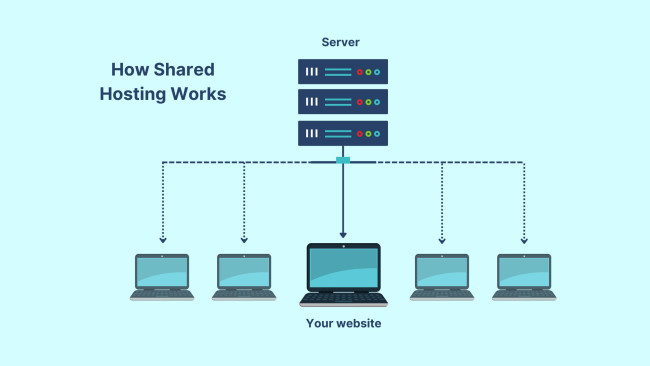
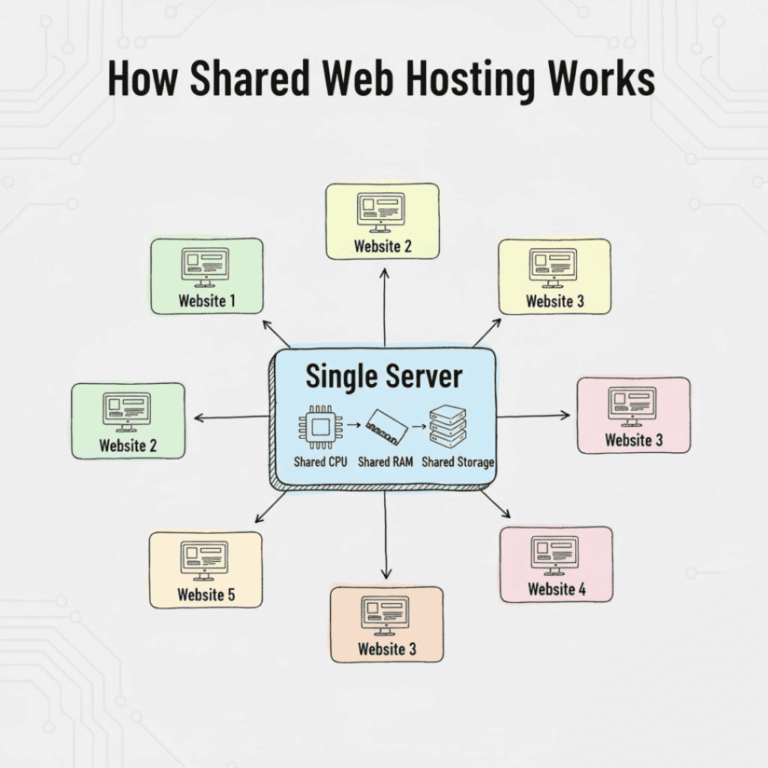
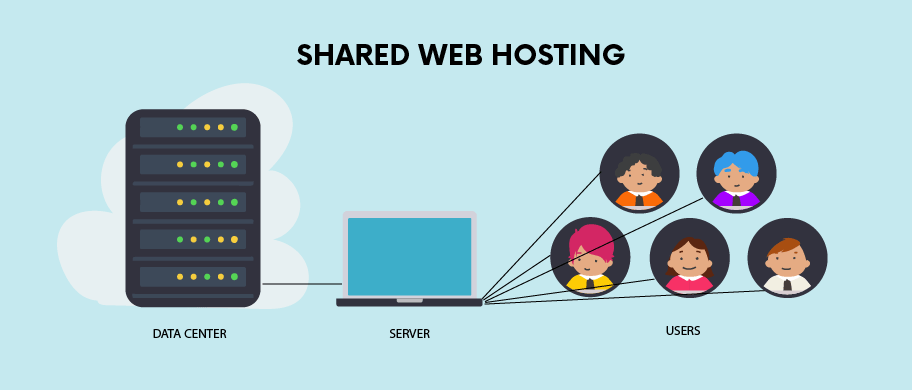
A shared account can suit supported applications with requirements inside its limits. It may be unsuitable when the project needs unavailable runtimes, long-running processes or particular administrative control.
Decide who operates the site
A prepared environment can reduce server setup work. You still need owners for content, accounts, application updates and recovery. An installer does not maintain every extension or make future changes safe.
The management scope guide explains the boundary. If no one can maintain the proposed system, include supported maintenance in the decision rather than buying extra raw capacity.
Compare a small set of realistic options
List the supported shared plan, an appropriate managed service and any relevant hosted platform. Compare the same requirements, including export and recovery. Avoid adding an unmanaged VPS merely because it sounds more advanced.
The two-part hosting decision separates allocation from operating work. A cloud label does not guarantee automatic resilience, and shared hardware does not establish poor performance.
Keep the initial commitment proportionate
Record setup, upfront payment, renewal and required extras. Test the important workflow where the service permits it. A long discount can be poor value when a critical requirement is still uncertain.
Use the pre-purchase checklist before committing. Keep domain ownership and exports available so a later change does not depend entirely on one supplier.
Define the first acceptance checks
Verify published pages, forms, mail or transactions as applicable. Confirm HTTPS, software compatibility and a protected restore. Include errors and correctness, not just the look of the homepage.
Choose a review date and the signs that would trigger investigation: repeated resource limits, unsupported software or an unworkable support gap. A visitor total alone does not prescribe an upgrade.
The first-month guide helps after launch. Begin with the simplest arrangement that passes the real requirements and has an operating owner. Shared hosting is one useful option, not a default winner for a fixed percentage of new projects.