Shopify or WooCommerce? Compare Store Operations and Exit Costs
Shopify and WooCommerce place different work with the merchant, platform and service providers. Choosing between them starts with the store’s requirements and the team available to operate it.
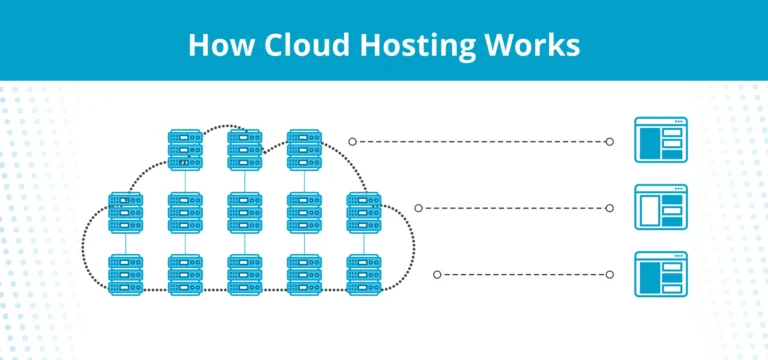
Shopify provides a hosted commerce platform. WooCommerce runs with WordPress on a hosting arrangement you choose. Managed services can reduce operating work for either setup, but they do not remove every merchant responsibility.
Test the store you intend to run
List products, variants, delivery rules, currencies, required payment methods and connected systems. Include order changes, refunds and stock updates, not only the public storefront.
Use a small catalogue and supported payment test modes to exercise those workflows. A feature being possible in principle does not establish its cost or suitability for your store.
Compare responsibilities
| Area | Question for either option |
|---|---|
| Platform maintenance | Who updates each component and verifies compatibility? |
| Accounts and access | Who grants permissions and removes departed staff? |
| Extensions | Who supports apps, plugins and custom integrations? |
| Recovery | What can be restored or exported, and by whom? |
Check Shopify’s platform overview for its service model and WooCommerce’s server recommendations for deployment requirements. The exact product and extensions still determine the work.
Model the complete payment and operating bill
Include the subscription or hosting plan, apps or plugins, development, support and payment processing. Check international and currency-related charges where relevant.
Shopify’s third-party payment documentation explains that relevant transaction fees depend on the arrangement and plan. Use current terms for your country and payment setup, rather than a universal percentage or a promised annual saving.
A WooCommerce installation also has payment-provider costs and can have paid services or extensions. Open-source core software does not make operating the whole store free.
Measure dynamic journeys
A cached homepage does not establish checkout performance. Test search, cart updates and the checkout path under a representative authorised workload.
A plan upgrade cannot guarantee conversion gains. Use the performance test method to keep observations reproducible and the recovery checks to assess operational evidence.
Check access and portability
Separate ownership rights from technical export capability. Test which products, customers, orders, media and configuration can be exported, and how the destination would use them.
Neither platform promises an instant move with unchanged design and workflows. Licences, integrations, credentials, redirects and reconciliation can require work. Use the migration checklist to plan a controlled transition.
Decide from requirements and operating capacity
A hosted platform can suit a team prioritising a defined managed service. A self-hosted stack can suit a team needing particular controls and able to maintain them. Neither is automatically cheaper, faster or better for SEO.
Record the tested requirements, recurring costs, support scope and exit effort. Choose the arrangement your team can operate reliably after launch.