Cloud Server Security: Check Responsibilities and Recovery Evidence
A cloud server is not automatically safe because a large company owns the data centre. Security depends on the selected service, its configuration, your application and the people who operate it.
Compare controls and evidence rather than assuming cloud is always safer than an office server or a VPS. These labels do not tell you who can access the data, which software is maintained or how a compromised system would be recovered.
Assign the work for the actual service
For an infrastructure VM, the operator commonly retains responsibility for guest software and configuration. A managed service can shift particular tasks to the supplier while leaving access, data and application decisions with the customer.
The AWS shared-responsibility model gives concrete examples. Check the equivalent documentation and contract for your chosen service. Write down the owner, review frequency and evidence for each task.
Check identity and administrative access
- Use individual administrative identities and suitable multifactor authentication.
- Grant only the access required for a task, and review unused or excessive privileges.
- Remove departed users and unnecessary service credentials promptly.
- Keep secrets out of public code, and document rotation and emergency-access procedures.
Test whether someone with limited access can perform only the intended work. Do not publish a universal attack-prevention percentage for MFA or treat it as protection against every account compromise.
Review network and application exposure
List public endpoints and the reason each must be public. Restrict administration to approved paths. A private network still needs carefully configured access between services; it does not make every connected workload trustworthy.
Maintain supported OS, runtime, plugin and application versions with a staged update and rollback process. Managed infrastructure does not necessarily patch custom code. Record vulnerability findings, remediation ownership and exceptions rather than assuming the supplier handles them.
Verify data protection
Check encryption for the particular storage service and communication path. Establish key ownership and the permissions needed to decrypt data. Encryption does not prevent an authorised but compromised identity from reading information it is allowed to access.
Review backup access separately from production access. Test a restore into a protected environment and confirm the data and application work. The private S3 and CloudFront example shows why a public website does not require a publicly readable storage bucket.
Make incident handling usable
Collect the logs needed to investigate meaningful events and route alerts to someone who can respond. Rehearse an account-compromise or recovery scenario: who revokes access, preserves evidence, communicates internally and restores the service?
The NIST Cybersecurity Framework provides a broader risk-management structure, including response and recovery. It is a planning reference, not a certification of this checklist or your deployment.
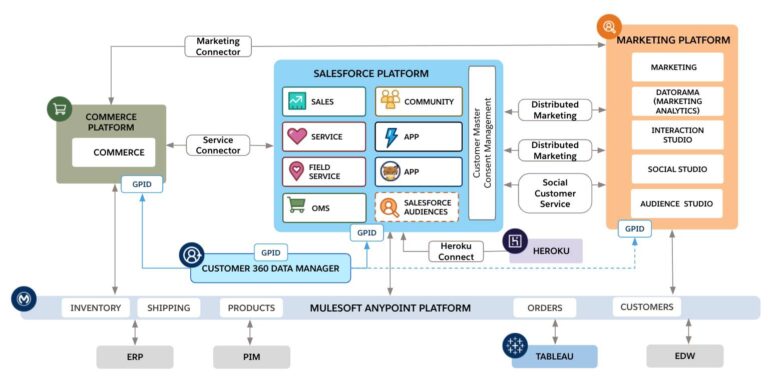
Use the business infrastructure map to find unowned components. Treat supplier assurance as one part of your assessment and obtain qualified review for applicable contractual or regulatory requirements. No hosting label guarantees compliance or total security.