Free Cloud Hosting: Compare Allowances, Trials and Exit Rules
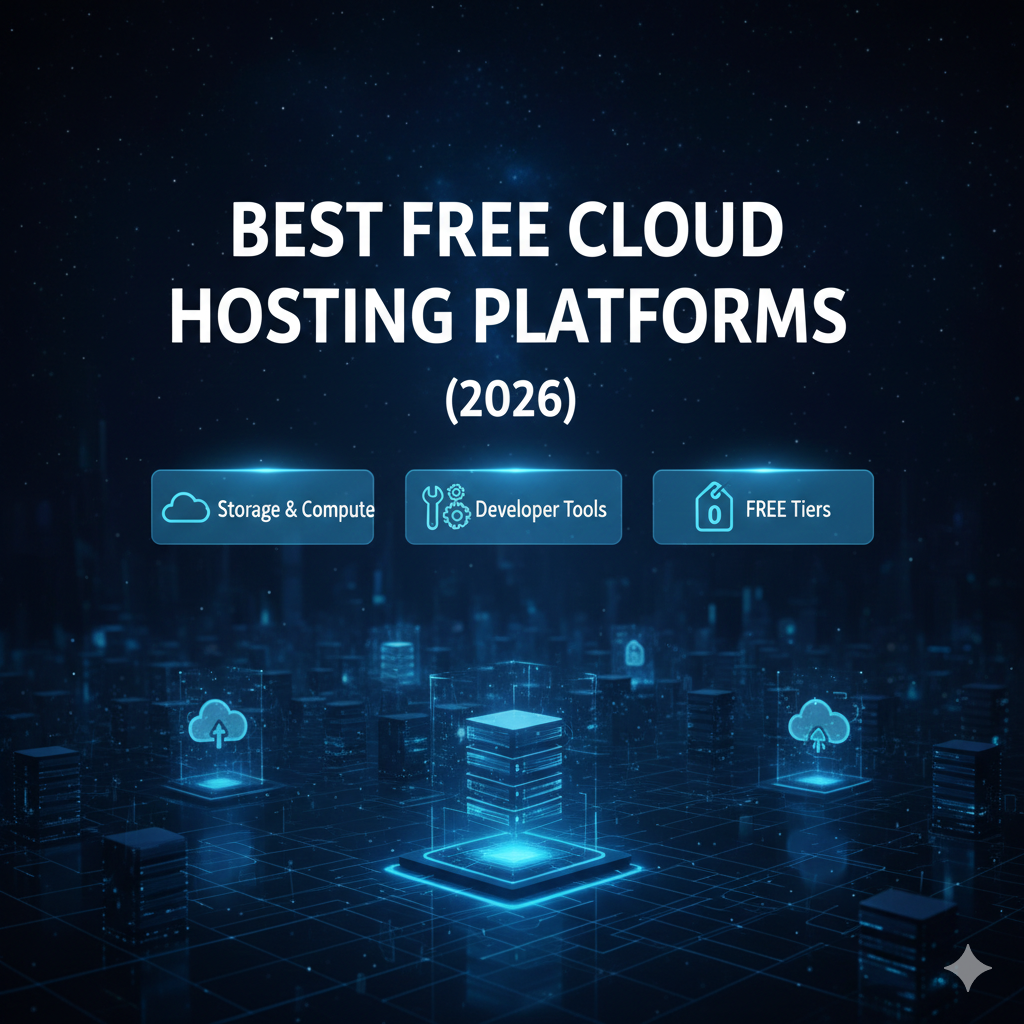
“Free hosting” can mean a recurring allowance, a temporary credit or a limited application plan. These arrangements have different expiry and billing behaviour. Choose one only after checking how it fits the project you will actually deploy.
The options below are documented starting points reviewed on 18 October 2026. They are not a speed ranking or a promise that a resource will be available in your account. The earlier blanket provider awards and stale quota table have been removed.
For a static website: check Cloudflare Pages
Pages is worth investigating for generated HTML, CSS and browser assets. Review the current limits for builds, files and domains. Functions draw on Workers-plan quotas, so adding backend behaviour changes what you must evaluate.
Do not treat static delivery as a PHP or WordPress server. Forms, authentication and databases may involve separate services, terms and limits. Test the complete feature set rather than only a successful homepage deployment.
For learning infrastructure: distinguish AWS account plans
Read AWS’s current plan guidance and establish your account’s eligibility. The new Free plan is time- and credit-limited; it is not the old universal twelve-month VM offer.
Upgrading or using a Paid plan changes the charging rules. Record the end date, credit balance, eligible services and conditions that trigger an upgrade. Prepare an export before the learning period ends.
For Google Cloud: separate the trial and allowances
The Google Cloud Free Program explains trial credit and monthly product limits. These are distinct. A paid billing account can incur charges for usage that the remaining credit or allowance does not cover.
Check the exact product, region and consumption limits. A free compute allocation does not establish that attached networking, storage and other services are all free. Keep a dated record of the configuration you evaluated.
For a VM experiment: inspect Oracle’s restrictions
Oracle documents Always Free resources, including capacity constraints and possible reclamation of idle compute. A published allowance is not a reservation of available capacity.
Check the home region, eligible shape and storage together. Keep independent copies of code and required data. A free VM still needs operating-system and application administration.
Decide what happens at a limit
For any option, ask whether exceeding a limit blocks deployment, suspends service, starts billing or requires an explicit upgrade. Verify commercial-use terms and whether the support and availability terms are sufficient for the project.
Before relying on the service, export and restore the project elsewhere. Set an owner and review date for its allowances. Use the complete-cost checklist for dependencies and the AWS billing guide for a closer look at that platform. Free hosting can support a useful experiment, but the exit plan should be ready while the experiment still works.